

The Brain Song 2026
Can a 17-minute audio file really raise BDNF, sharpen memory, and speed up thinking without pills or long routines?
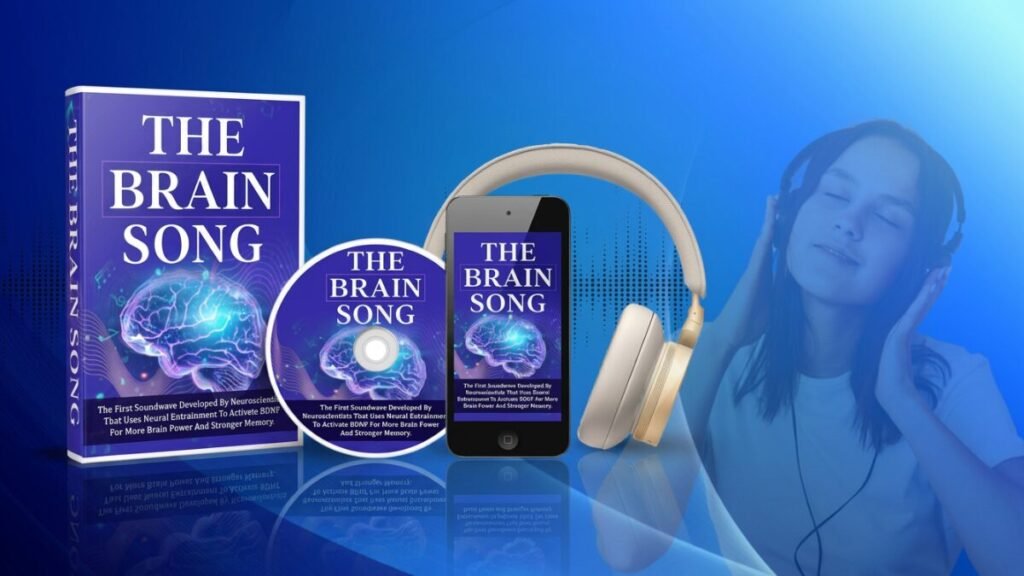
I tested the song “The Brain Song” myself to see if it works. It’s a single 17-minute track that promises to boost Brain-Derived Neurotrophic Factor (BDNF) and improve memory with little effort.
In this The Brain Song 2026 review, I share my personal experience with the track. I’ll discuss what the creators promise and how it compares to other brain health music and cognitive function programs. I’ll also cover pricing, delivery, and the ad disclosures found on the official page.
What The Brain Song Is and How It Works
“The Brain Song” is a special 17-minute track designed for your brain. It was created to be listened to every day. It uses different tones and rhythms to help your brain relax without you having to make any effort.
The song is divided into three parts. The first part helps you focus. The second part encourages creativity and memory. The last part helps you relax and recover.
Overview of the 17-minute neurology music track
This 17-minute song is easy to fit into your day. It’s designed to be listened to in short breaks. All you need is headphones and a quiet place to listen.
Principles of brainwave entrainment: binaural beats and isochronic tones
The song uses brainwave entrainment to work its magic. Binaural beats help you focus by creating a difference in sound in each ear. Isochronic tones add clear beats to help your brain follow along faster.
This mix of techniques helps you move from being alert to relaxed. It’s a structured way to improve your brain’s function in just a few minutes a day.
Harmonic resonance and BDNF activation explained
Harmonic resonance combines different frequencies to gently stimulate your brain. This helps different parts of your brain work together better. It supports your brain’s ability to change and adapt.
The song’s creator believes it boosts BDNF, a key factor in memory. While I’m skeptical, the design is clear. It aims to enhance learning and memory through brainwave entrainment and harmonic layers.
| Feature | Purpose | Practical Note |
|---|---|---|
| 17-minute neurology music | Daily, focused sessions | Short enough for routine use |
| Binaural beats for focus | Shift attention to beta/alpha | Requires stereo headphones |
| Isochronic tones therapy | Clear pulsed entrainment | Effective for rapid entrainment |
| Harmonic resonance | Layered neural stimulation | Targets broad networks for plasticity |
| bdnf brain booster (claim) | Support memory and learning | Presented as a proposed biological mechanism |
Science Behind The Brain Song

I look into the science behind the brain song. It uses brainwave entrainment, a therapy that guides brain waves with sound. This method is based on the brain’s natural response to rhythmic sounds.
Studies show mixed results on brainwave entrainment. Some lab tests found changes in brain waves when people listened to specific sounds. These changes might help with focus, mood, and alertness.
Alpha waves, between 8–14 Hz, are linked to calm focus and creativity. The brain song uses alpha sounds to help listeners relax and concentrate. Theta waves, around 4–8 Hz, are connected to memory and emotions. The song aims to enhance these processes.
Delta waves, from 0.5–4 Hz, are for deep sleep and healing. The song claims to guide listeners through these brain states in just 17 minutes.
Results vary based on how often you listen and your brain’s response. Some people notice big changes, while others see little. This is why results can differ.
Dr. James Rivers is said to be the main scientist behind the brain song. He’s described as a NASA expert with years of research. But, it’s important to check his credentials yourself.
The science on sound therapy is still growing. I suggest looking at both research and what the makers say. Trying it yourself and checking out other studies will give you a better idea of its effects.
Benefits for Cognitive Function and Memory
I was curious about The Brain Song’s claim that sound can boost brain function. It suggests that short daily listens can stimulate brain growth and improve memory. I wanted to see if these claims match what users say and the science behind BDNF-driven learning.
How The Brain Song may boost memory and learning via BDNF
The recording uses sound frequencies that help brain connections grow. This is linked to BDNF release. Short, regular sessions match the program’s goal to boost brain function for studying or reviewing.
Evidence linking neuroacoustic therapy to improved recall and processing speed
Studies on binaural beats and isochronic tones show some benefits in attention and speed. These findings support the idea that sound therapy can help improve memory with practice. I see memory improvement music as a helpful tool, not a magic cure, due to limited clinical trials.
User-reported improvements in mental clarity and reduced brain fog
Many users say they think more clearly and remember things faster after using it. They find it helps clear their minds during busy times. The pattern is clear: regular use leads to better focus and fewer mental blanks.
I suggest using the track with good habits like sleep, exercise, and spaced study. The Brain Song can help learning when used with active review and repetition.
Emotional Balance, Stress Relief, and Sleep Improvement
I look into how The Brain Song’s frequencies help with emotional balance. It uses theta rhythms to calm and promote mindfulness. It’s great for a midday break when work or home tasks get stressful.
Delta pulses in the song aim to enhance sleep quality. It guides listeners to deeper rest stages. Listening before bed can help fall asleep faster and stay asleep longer. Many people wake up feeling more refreshed.
Some vendors say the music boosts mood by releasing dopamine, serotonin, and endorphins. I see this as part of the program’s promise to improve mood. But, I suggest taking these claims with a grain of salt until scientific studies back them up.
I share how to use this tool in your daily life. A 10–17 minute listen in the middle of the day can lower stress. Evening sessions, with dim lights and deep breathing, can help relax. Pairing it with mindfulness techniques can deepen calm and focus.
Using this tool is easy and accessible. It’s designed for daily listening at home. Consistency is key. Combining it with good sleep, staying hydrated, and exercising can enhance its effects.
Many see this program as a quick emotional support tool. I encourage trying short, regular sessions. See if it changes your anxiety and sleep over a few weeks.
Real Customer Experiences and Reviews
I looked at verified testimonials on the official site and independent forums. People wonder if the brain song audio program really works. The feedback shows some common themes.
Synthesizing testimonials
Linda M. noticed a big change after two weeks of listening for seven minutes a day. She remembered names and details like she used to in her thirties. Michael P. felt better after five years of brain fog and saw big productivity gains in just one week.
Shopia Z., a teacher, said her students learned vocabulary better and were more engaged. This happened when she used the program before lessons.
Common themes
Muitos usuários relataram maior clareza mental e menos confusão mental. Eles acharam mais fácil se concentrar e disseram que era uma maneira simples de aumentar a produtividade. A facilidade de uso dos fones de ouvido e a duração de 17 minutos da faixa foram um grande diferencial.
Limitações das evidências anedóticas
These stories are compelling but based on personal experiences. The testimonials on the sales page might not show what most people experience. It’s smart to check out reviews from different places like forums and Reddit.
Look for details in reviews like how long they listened, where they listened, and what they were like before starting. These factors can help tell if a success story is real or just a one-off.
| Reviewer | Reported Result | Listening Routine | Context |
|---|---|---|---|
| Linda M. | Improved name and detail recall | 7 minutes daily for two weeks | Middle-aged professional seeking memory boost |
| Michael P. | Major reduction in brain fog; higher output | Daily sessions for one week | Freelancer with five-year history of cognitive slowdown |
| Shopia Z. | Better student retention and engagement | Short class-focused sessions before lessons | Elementary school teacher using group listens |
| Summary Trend | Greater focus, clarity, and perceived value | Brief, consistent use with headphones | Works best when combined with good sleep and routine |
When reading reviews of the brain song audio program, consider both personal stories and available evidence. See it as a low-risk way to improve your mental productivity. Keep track of your focus, task completion, and mood to see if you’re getting sharper.
How to Use The Brain Song in Daily Life
I make The Brain Song a part of my daily routine. It’s short and easy to fit into my busy schedule. It’s perfect for when I need a quick mental reset.
Recommended listening routines
In the morning, I listen for 10–15 minutes to get my focus going. At lunch, a 12-minute repeat helps me stay alert. Before bed, a full session helps me sleep better.
I also listen to it during study sessions. It helps me stay focused without extra effort.
Best practices for setup and consistency
Using headphones is key for binaural beats to work right. I find a quiet spot to listen. Listening every day helps me see the best results.
Integrating with meditation, study, and productivity
I pair The Brain Song with meditation to relax more deeply. During focused work, I listen and set a goal. When I’m doing chores or commuting, I keep it short.
It’s a simple tool that helps me stay focused and calm. Just listening while I do other things is enough.
Program Features, Bonuses, and Delivery
I explain what you get when you buy it. You get a special 17-minute audio track for daily listening. It’s a one-time purchase with lifetime access and instant digital delivery. So, you can start using it the same day.
I share the bonuses and how they fit into your day. The Memory Saver trick helps you remember new facts in just one minute. There’s also memory improvement music and 15 Delicious Memory Smoothies recipes for brain nutrition. Plus, a printable infographic on 5 Most Important Habits for Stronger Memory is included.
I talk about how you get it and what you need. It’s delivered digitally, so no waiting for the mail. It’s all about short daily practice, just needing headphones, and comes with visualization notes. Marketing offers up to $197 in free gifts with purchase, adding more value to the main track.
I made a quick comparison so you can see the features at a glance. This helps you decide if it’s right for you.
| Item | What I Get | Why It Matters |
|---|---|---|
| Core Audio | Single 17-minute digital file | Short daily routine that fits into a busy schedule |
| Memory Saver trick | 1-minute technique included as bonus | Fast method to reinforce new memories after listening |
| Memory Smoothies | 15 recipes focused on brain nutrients | Practical nutrition tips to support cognitive function |
| Printable Infographic | Research-based habits for memory | Visual checklist to build consistent routines |
| Delivery | Instant digital access after purchase | No shipping delays; immediate use of brain health music |
| Equipment | Standard headphones recommended | Accessible setup without special devices |
I suggest trying it for a week to see how it works. The bundle is simple, with easy steps and visuals. It’s for those who want daily support for memory and focus without much effort.
See also: My honest review of the Derila Ergo pillow: neck support in 2026
Pricing, Availability, and Purchase Details
I’ve gathered the key points for you to make a swift decision. The Brain Song is available as a one-time purchase with lifetime access. The homepage often displays a special price near $39, which is the current promotional rate for digital delivery.
It’s important to know where to buy and how to spot fakes. The program is sold only on the official website to ensure authenticity and support. Stay away from third-party copies and unofficial sellers when you buy brain song now.
One-time purchase terms mean you pay once and keep access forever. The site highlights a risk-free trial period and mentions both 60- and 90-day references in its refund policy. For clarity, the policy offers a 90-day money-back guarantee and asks customers to contact support within the stated period for refunds.
Below, I summarize the key brain song purchase details for easy comparison. This way, you can act quickly if you want to enhance focus and clarity.
| Item | Details |
|---|---|
| Price | $39 (typical promotional rate; pricing The Brain Song may change) |
| Purchase model | One-time purchase with lifetime access |
| Where to buy | Official website only; avoid third-party copies |
| Delivery | Instant digital download of the 17-minute track and bonuses |
| Guarantee | 90-day money-back promise; contact support within the vendor’s stated period for refunds |
| Recommendation | If you want to buy brain song now to improve focus and clarity, confirm current terms on the official page before purchasing |
Pros and Cons of The Brain Song
I tested The Brain Song as a tool for improving the mind. I compared what the vendor said with what science shows. I want to help you decide if it’s right for you.
Pros
- Many users say it helps with focus, memory, and clarity, which matches what the vendor claims.
- It’s simple to use: just one 17-minute audio file for your morning or work sessions.
- It’s non-invasive and doesn’t use drugs, making it appealing to those looking for alternatives.
- It’s affordable, with a one-time payment for lifetime access, making it a good value for those curious.
- It’s based on science, referencing brainwave entrainment, which some studies support.
Cons
- The sales page mostly relies on testimonials. There are no clinical trials to back up the claims.
- The marketing might promise more than it can deliver. Be careful with what it says.
- It’s not a medical treatment and should not replace professional help for serious brain issues.
- Results vary. Some people see big changes, while others don’t notice much. It’s hard to measure.
Who may benefit
I think The Brain Song is best for those looking for a gentle way to boost focus and creativity. If you’re after a simple tool to help your mind without pills or complicated plans, give it a try.
Who should be cautious
If you need proven therapy, have seizures, are pregnant, or have a brain disorder, talk to a doctor first. The program is meant to help, not cure, so don’t expect miracles.
Safety, Limitations, and Scientific Caveats
I look at health claims with a careful eye. The Brain Song marketing says it’s safe and doesn’t use drugs. While binaural beats and isochronic tones are generally safe, I still remind readers to be cautious and listen carefully.
Known safety profile
Binaural beats and isochronic tones are mostly safe when listened to at normal volumes. I suggest avoiding long sessions at high volumes. People with certain medical devices or implants should be extra careful.
Limitations of current research
Most studies are small, and there’s a lack of big, independent trials. This makes it hard to trust all the claims made about these therapies.
When to consult a healthcare provider
If you have epilepsy, a history of seizures, or serious neurological issues, talk to a doctor first. Pregnant women should also get advice before trying these therapies. There’s a known risk of seizures for some people.
I advise stopping use and getting medical help if you experience dizziness, headaches, mood changes, or any other bad effects. It’s important to follow the advice given in advertising and use caution.
| Area | Guidance | Why it matters |
|---|---|---|
| General safety | Use moderate volume, limit sessions to recommended lengths, avoid multitasking | Reduces risk of hearing damage and overstimulation |
| Neurological conditions | Speak with a neurologist or primary care clinician before use | Prevents complications for people with epilepsy, migraine, or implants |
| Pregnancy | Ask an obstetric provider whether audio entrainment is appropriate | Conservative approach protects maternal and fetal health |
| Evidence strength | Treat current claims as preliminary until independent trials appear | Encourages informed decisions and realistic expectations |
How The Brain Song Compares to Other Cognitive Tools
I see The Brain Song as a better choice than pills, long courses, or daily apps. It offers a quick, easy way to improve your brain through sound. This makes it a great option for those looking for a mental boost.
Supplements vs neuroacoustic therapy is a big decision for improving memory or mood. Supplements like omega-3s or BDNF boosters need constant buying and tracking. The Brain Song, however, only needs a one-time buy and daily listening.
Brain-training apps like Lumosity and Elevate require active effort and time. They aim to build skills through repetition. The Brain Song, on the other hand, is a passive way to improve your brain, perfect for short breaks.
Meditation programs and guided mindfulness are also compared to The Brain Song. Meditation helps with focus and stress. The Brain Song can enhance meditation, adding depth without replacing it.
Here’s a table to help you decide. It compares cost, time, effort, and how they work across different tools.
| Tool | Cost Model | Daily Time | User Effort | Primary Mechanism |
|---|---|---|---|---|
| The Brain Song (neuroacoustic) | $39 one-time | 17 minutes | Passive listening | Curated frequencies, binaural beats, isochronic tones to promote BDNF-like effects |
| Supplements (e.g., omega-3, proprietary BDNF boosters) | Recurring purchase | 0 minutes (ingestion) | Low; adherence required | Biochemical support for brain health and plasticity |
| Brain-training apps (Lumosity, Elevate) | Subscription | 10–30 minutes | Active practice | Skill-specific cognitive exercises and adaptive tasks |
| Meditation programs (Headspace, Calm) | Subscription or course | 5–30 minutes | Active mental practice | Attention training, stress reduction, improved sleep |
I suggest using The Brain Song as part of a broader approach to brain health. Adding diet, sleep, and exercise can enhance its effects. I also use Memory Smoothies and habit guides with audio sessions for better results.
When choosing between supplements and neuroacoustic therapy, I consider cost, lifestyle, and scientific evidence. The Brain Song’s focus on BDNF and sound is appealing, but I look for independent studies to support its claims.
My advice is to mix different methods. Use The Brain Song for quick sessions, supplements when needed, and brain-training apps for active practice. This way, you create a personalized toolkit for your brain health.
Conclusion
The Brain Song conclusion is both practical and cautiously optimistic. It’s a short, 17-minute track that’s affordable and science-backed. It uses binaural beats, isochronic tones, and harmonic resonance to boost BDNF.
This program is easy to start with its instant digital delivery and simple daily routine. It also comes with a money-back guarantee. This makes it simple for anyone to try natural brain optimization at home with little effort.
In my review, I focus on balance. Early studies and user feedback show benefits for memory, mood, and sleep. But, it’s important to remember that this is not a substitute for clinical trials.
I suggest using The Brain Song as a supplement, not a medical fix. Always check claims yourself and talk to a healthcare provider if you have concerns. This is especially true if you have neurological issues or are prone to seizures.
When used with proven lifestyle habits like regular sleep, exercise, and a balanced diet, The Brain Song can be a helpful addition. It’s a promising way to improve focus and clarity naturally. Just remember to keep expectations realistic and make decisions based on solid evidence.
FAQ, The Brain Song 2026
What is The Brain Song and how long is the track?
The Brain Song is a digital audio track for daily listening. It’s a 17-minute session that combines binaural beats, isochronic tones, and harmonic resonance. These elements aim to encourage brainwave entrainment and stimulate Brain‑Derived Neurotrophic Factor (BDNF) for better memory and learning.
How does The Brain Song claim to work?
The program uses brainwave entrainment. Binaural beats create frequency differences between ears, while isochronic tones provide rhythmic pulses. Harmonic frequencies guide the brain through different states for focus, relaxation, memory, and sleep. This is linked to increased BDNF, better recall, and clearer thinking.
Do I need special equipment to use it?
No special equipment is needed, just good headphones. The audio is delivered digitally for instant download. You can listen at home, on the go, or as part of a daily routine.
How often and when should I listen to The Brain Song?
Listen daily, for 12 to 17 minutes. Use it in the morning, during work or study, and before sleep. Consistency is key for the best results.
What benefits do users report?
Users report faster thinking, better recall, reduced brain fog, and sharper focus. They also see improved classroom or work performance. The vendor also mentions stress relief, better sleep, and increased creativity.
Are those benefits scientifically proven?
The Brain Song is based on research about frequency‑following response, binaural beats, and isochronic tones. These have been linked to changes in attention, relaxation, and sleep. However, there are no specific clinical trials validating this track or its BDNF activation claims.
Who developed The Brain Song and are their credentials verified?
Dr. James Rivers is credited as the creator, a NASA‑trained neuroscientist with decades of research. While his credentials are presented as the scientific foundation, independent verification is not provided on the promotional pages.
Is The Brain Song safe? Any side effects?
The vendor says it’s non‑invasive and drug‑free with no side effects. However, people with epilepsy, seizure disorders, or serious neurological conditions should consult a healthcare professional before use. Discontinue and seek medical advice if you experience discomfort or adverse reactions.
Can The Brain Song replace medical treatment or prescription medication?
No, it’s marketed as a cognitive support and wellness tool, not a medical treatment. It’s not meant to replace professional medical care. If you have medical or psychiatric conditions, consult your healthcare provider before trying neuroacoustic interventions.
What are the program’s purchase terms and price?
It’s a one‑time purchase with lifetime digital access. The price is usually around $39. The vendor offers bonuses and a money‑back policy. The refund period can vary, so confirm it at checkout and keep documentation.
Is there a refund or guarantee?
Yes, there’s a money‑back guarantee. The promotional material mentions a risk‑free trial period and refund policy. However, the exact refund period may vary, so verify it at purchase. Contact official support for refunds as instructed.
What bonuses are included with purchase?
Bonuses include a 1‑minute “Memory Saver” technique, “15 Delicious Memory Smoothies” recipes, and a printable infographic. The product page also advertises approximately $197 in additional free gifts at the time of promotion.
How does The Brain Song compare to supplements, apps, or brain‑training programs?
The Brain Song emphasizes passive listening and a short daily commitment. It’s a one‑time purchase, unlike recurring app subscriptions or long training programs. It targets neuroacoustic routes to BDNF and brainwave modulation, unlike pharmacological or active cognitive training approaches.
Who is most likely to benefit from The Brain Song?
It’s for people seeking a low‑effort, non‑pharmacological tool for focus, memory support, stress reduction, and sleep improvement. Those open to neuroacoustic therapy and willing to use it consistently may notice benefits. However, people expecting guaranteed clinical outcomes or those with serious neurological conditions should proceed cautiously and consult professionals.
Are customer testimonials reliable evidence?
Testimonials on the official site are presented as “Verified Purchase” anecdotes. They show consistent themes like improved focus and reduced brain fog. While useful for real‑world impressions, testimonials are anecdotal and influenced by marketing context. I recommend reading independent reviews, forum discussions, and seeking peer‑reviewed research for a fuller picture.
Does The Brain Song actually increase BDNF?
The vendor links the track’s frequencies and harmonic resonance to BDNF stimulation and downstream benefits for memory and neuroplasticity. However, the promotional material does not include independent clinical evidence directly measuring BDNF changes from listening to this specific audio. Those claims should be treated as vendor interpretations until validated by independent studies.
Can I use The Brain Song while working, exercising, or commuting?
The vendor suggests flexible use during short work sessions, study periods, commuting, or light chores. However, headphones are required for binaural effects. For safety, avoid listening with headphones when you need full situational awareness (e.g., driving) and choose appropriate times when brief closed‑eye relaxation or focused listening is possible.
What are limitations and caveats I should know?
Limitations include reliance on promotional materials and testimonials, a lack of product‑specific peer‑reviewed clinical trials provided on the sales pages, and declared affiliate relationships in advertising disclosures. Marketing language may overstate outcomes for some users. Treat the program as a potential supplemental tool within a broader brain‑healthy lifestyle rather than a guaranteed medical solution.
Where should I buy The Brain Song to ensure authenticity?
The vendor advises purchasing only through the official website to ensure authentic files, delivery, and customer support. Advertising disclosures note the page you’re reading may be promotional and that third‑party copies or unauthorized sellers could be a risk.
What safety checks should I follow before trying neuroacoustic audio?
Consult your healthcare provider if you have epilepsy, seizure disorders, implanted medical devices, serious neurological or psychiatric conditions, or if you’re pregnant. Start with short sessions in a safe environment, stop if you feel dizziness or discomfort, and avoid using the audio while performing activities that require full attention, like driving.
How can I get the best results from The Brain Song?
Follow the vendor’s recommended practices: use headphones, choose a quiet environment, stick to a short daily routine (12–17 minutes), and pair the audio with complementary habits—adequate sleep, exercise, balanced nutrition, and mindfulness or study routines. Consistency over weeks is emphasized for cumulative effects.
Is there any financial relationship disclosed related to reviews of The Brain Song?
Advertising disclosures on promotional pages state the site owner may receive affiliate payments for qualified referrals and that pricing, availability, and claims are presented in a marketing context. That relationship is disclosed so readers can weigh commercial influence alongside product information and independent research.