
The Smart Supplement Guide: How to Choose Safely by Health Goal
This supplement guide starts with a simple fact: more than half of American adults take at least one dietary supplement. Some fill real gaps. Others cost money without clear benefit, and a few can interact with your medicines. Here is how to choose with confidence.
Health note: This article is for general education only. It is not medical advice and it does not replace care from your doctor. Foods and supplements are not a substitute for prescribed treatment. Talk to a licensed health professional before changing your diet, medicines or supplements, especially if you are pregnant, take prescription drugs or have a chronic condition.
- The FDA does not approve dietary supplements for safety or effectiveness before they are sold.
- Look for third-party seals such as USP Verified, NSF Certified or ConsumerLab.
- Food first. Supplements work best to correct a deficiency your doctor has confirmed.
How supplements are regulated in the US
Under US law, supplement makers are responsible for the safety of their products and the truth of their labels. The FDA does not review supplements before they reach store shelves. It can act after problems are reported. Supplements may not legally claim to treat, cure or prevent a disease. If a label or ad says a product “cures” diabetes, “reverses” Alzheimer’s or “kills cancer cells,” treat that as a red flag.
Supplement guide: a 5-point checklist before you buy
- Do I need it? Ask your doctor whether a blood test (for vitamin D, B12 or iron, for example) makes sense.
- Will it interact? Show your pharmacist the bottle. Blood thinners, diabetes drugs, blood pressure drugs, antidepressants and birth control are common interaction risks.
- Is it tested? Look for USP, NSF or ConsumerLab seals, which check that the label matches what is inside.
- Is the dose sensible? Compare it to the NIH upper limits. More is not better.
- Does the marketing overpromise? Words like “miracle,” “secret” or “doctors hate this” mean walk away.
Supplements by health goal
This table summarizes what research says about options commonly promoted for each goal. Evidence labels reflect NIH summaries where available.
| Goal | Commonly promoted | What research shows | Key safety note |
|---|---|---|---|
| Sleep | Melatonin, magnesium, valerian | Melatonin helps with jet lag and some sleep timing problems. Valerian results are inconsistent. | Do not combine with alcohol or sleep medicines. |
| Bones | Vitamin D, calcium, vitamin K2, magnesium | Vitamin D helps absorb calcium; supplements slightly increase bone strength in older adults. | Vitamin D upper limit 4,000 IU/day. Vitamin K affects warfarin. |
| Memory | Omega-3 (DHA), ginkgo, turmeric, MCT oil | No supplement is proven to prevent dementia. Ginkgo did not lower dementia rates in a large trial. | Ginkgo may increase bleeding. Curcumin pills linked to liver injury. |
| Heart and blood pressure | Omega-3, CoQ10, magnesium, garlic | Omega-3 lowers triglycerides. Magnesium and garlic have small effects. CoQ10 evidence is weak. | Fish oil, garlic and CoQ10 can affect blood thinners. |
| Prostate | Saw palmetto, zinc, lycopene, pumpkin seed | A 2023 review found saw palmetto gives little or no benefit for BPH symptoms. | Too much zinc can cause copper deficiency. |
| Menopause | Black cohosh, soy isoflavones, maca | Mixed results for hot flashes. | Black cohosh has rare reports of liver injury. |
| Libido and vitality | Asian ginseng, ashwagandha, L-arginine | Ginseng may help erectile function. Ashwagandha may lower stress. | Ginseng can cause insomnia; ashwagandha may affect the thyroid. |
| Blood sugar | Berberine, cinnamon, chromium | Berberine shows some glucose lowering. Cinnamon results are unclear. | Risk of low blood sugar with diabetes medicines. |
| Eyes | Lutein, zeaxanthin, omega-3 | The AREDS2 formula slows intermediate macular degeneration. | Designed for a specific diagnosis; ask an eye doctor. |
| Digestion | Probiotics, fiber (psyllium) | Some probiotics reduce antibiotic-related diarrhea. Psyllium helps regularity. | Take fiber with plenty of water. |
| Joints | Turmeric, glucosamine, omega-3 | Early positive evidence for turmeric in knee arthritis; glucosamine results are mixed. | Glucosamine may affect warfarin. |
| Immunity | Vitamin C, vitamin D, zinc, pelargonium | Vitamin C may slightly shorten colds in regular users. Zinc lozenges may shorten colds if started early. | Zinc nasal sprays have caused loss of smell. |
Plants behind popular supplements
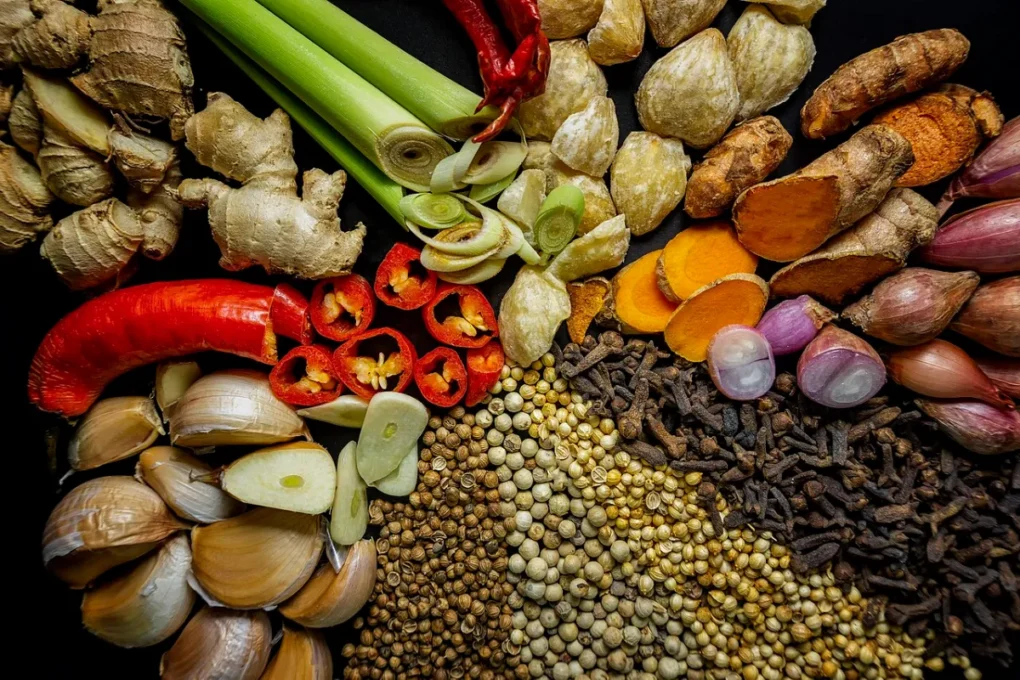
Many supplements start as a plant you can also enjoy as food. Turmeric root becomes curcumin capsules. Ginseng root is sliced for tea. Ashwagandha root is dried and powdered. Cooking with the whole food is usually the safest way to start.
Food first: nutrients many Americans miss
- Magnesium: leafy greens, beans, nuts, seeds and whole grains. Adults need 310 to 420 mg a day.
- Vitamin D: fatty fish, fortified milk and sensible sun. Adults need 600 to 800 IU a day.
- Omega-3: two servings of fatty fish a week, or walnuts, flax and chia.
- Vitamin B12: fish, meat, eggs and dairy. Adults over 50 and people on metformin should ask about testing.
- Fiber: beans, oats, vegetables and fruit.
Products that should never replace medical care
Be cautious with anything sold as an alternative to proven treatment, such as colloidal silver, ozone therapy, or “detox” products that promise to cure disease. The FDA and FTC have warned companies selling these with unproven claims. If you have a diagnosis, the best plan is the one you build with your doctor.
Your next step
Gather every supplement you take, snap a photo of the labels and bring them to your next doctor or pharmacist visit. Ask one question: “Do I still need this, and is it safe with my medicines?”
The bottom line
The bottom line of this supplement guide: food comes first, testing beats guessing, and your pharmacist is your best partner. Use this supplement guide as a checklist every time you consider a new product, and bring it to your next appointment. A good supplement guide should make you ask better questions, not buy more pills. Revisit this supplement guide whenever your medicines change.
Frequently asked questions
Who should read a supplement guide before buying?
Anyone who takes prescription medicine, is pregnant, is over 65 or has a chronic condition should review supplements with a doctor or pharmacist first.
Are “natural” supplements always safe?
No. Natural does not mean safe. Some herbs, like St. John’s wort, interact with many medicines, and some products are contaminated.
How do I report a problem with a supplement?
Tell your doctor and report it to the FDA through the MedWatch safety reporting program.
Related articles
Sources
- FDA: Dietary Supplements
- NIH Office of Dietary Supplements: Vitamin D
- NIH Office of Dietary Supplements: Magnesium
- NIH Office of Dietary Supplements: Omega-3 Fatty Acids
- NIH Office of Dietary Supplements: Vitamin B12
- NIH Office of Dietary Supplements: Ashwagandha
- NCCIH: Coenzyme Q10
- NCCIH: Saw Palmetto
- NCCIH: Ginkgo
- NCCIH: Turmeric
- NCCIH: Asian Ginseng
About the author: Reginaldo Encarnacao is an independent health writer who researches public sources such as the National Institutes of Health (NIH). He is not a doctor, pharmacist or dietitian.
Medical disclaimer: The information on this page is for educational purposes only and is not intended to diagnose, treat, cure or prevent any disease. Statements about dietary supplements have not been evaluated by the Food and Drug Administration. Individual results vary. See our full disclaimer.