
Berries and Cancer Prevention: What the Evidence Really Says
Berries and cancer prevention is a topic full of bold claims online. Blueberries, strawberries, blackberries and raspberries are rich in plant compounds that protect cells in the lab. In people, the evidence is encouraging but limited, so berries work best as part of a plant-rich diet.
Health note: This article is for general education only. It is not medical advice and it does not replace care from your doctor. Foods and supplements are not a substitute for prescribed treatment. Talk to a licensed health professional before changing your diet, medicines or supplements, especially if you are pregnant, take prescription drugs or have a chronic condition.
- The American Institute for Cancer Research (AICR) rates evidence for blueberries alone as “limited suggestive.”
- Fruits and non-starchy vegetables together have stronger evidence for lowering some cancer risks.
- Fresh or frozen berries are both great choices.
Berries and cancer prevention: what AICR says
Limited evidence
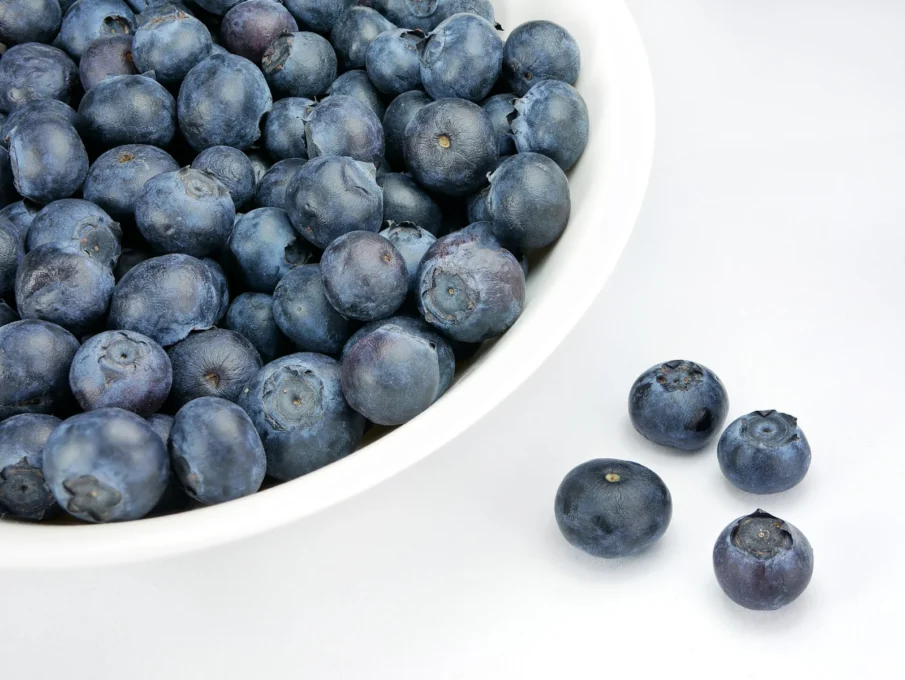
AICR explains that blueberries contain anthocyanins, flavonols, phenolic acids and ellagitannins, which show anti-cancer effects in laboratory studies. Some human studies found that eating blueberries increases antioxidant activity in the blood and may help prevent DNA damage, but studies are limited and results vary. AICR recommends berries as part of a diet rich in plant foods rather than as a stand-alone solution.
Why the whole diet matters
AICR finds probable evidence that non-starchy vegetables and fruit together lower the risk of cancers of the mouth, throat and digestive tract. The National Cancer Institute adds that not smoking, limiting alcohol, staying active and keeping a healthy weight have the strongest effects on risk.
Easy ways to eat more berries
- Top plain yogurt or oatmeal with frozen blueberries.
- Blend berries, spinach and milk into a smoothie.
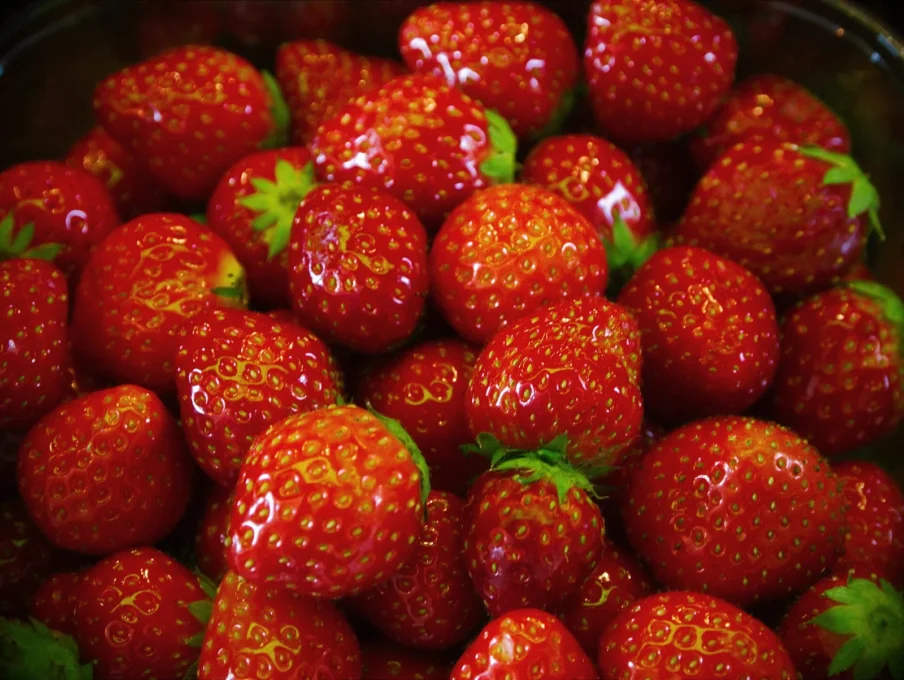
- Add strawberries to spinach salads with walnuts.
- Keep a bowl of washed berries in the fridge for snacks.
Buying and storing tips
- Frozen berries are picked ripe and keep their nutrients well.
- Wash fresh berries just before eating to prevent mold.
- Choose plain dried berries without added sugar, in small portions.
The bottom line
The bottom line on berries and cancer prevention: berries are a delicious, nutrient-rich food, but no single fruit prevents cancer. Use berries and cancer prevention habits together: a plant-rich diet, no tobacco, less alcohol, regular activity and recommended screenings.
Frequently asked questions
Which berries are healthiest?
All common berries are healthy. Blueberries and blackberries are rich in anthocyanins, and strawberries are high in vitamin C.
Are berry supplements as good as whole berries?
Supplements lack the fiber and full mix of nutrients in whole fruit, and there is little evidence they prevent cancer.
How many berries should I eat?
About one cup of berries counts as one cup toward the 1.5 to 2 cups of fruit most adults need daily.
Your next step
Buy a bag of frozen mixed berries today and add a cup to breakfast every morning this week, then ask your doctor which cancer screenings you are due for.
Related articles
Sources
- American Institute for Cancer Research: Blueberries
- National Cancer Institute: Cancer Prevention Overview (PDQ)
About the author: Reginaldo Encarnacao is an independent health writer who researches public sources such as the National Institutes of Health (NIH). He is not a doctor, pharmacist or dietitian.
Medical disclaimer: The information on this page is for educational purposes only and is not intended to diagnose, treat, cure or prevent any disease. Statements about dietary supplements have not been evaluated by the Food and Drug Administration. Individual results vary. See our full disclaimer.