
Green Tea and Cancer Risk: What We Know and What We Don’t
Green tea and cancer risk have been studied for decades. Green tea is part of daily life in China and Japan, and its catechins, especially EGCG, slow cancer cell growth in lab studies. In people, though, the picture is much less clear. Here is an honest summary.
Health note: This article is for general education only. It is not medical advice and it does not replace care from your doctor. Foods and supplements are not a substitute for prescribed treatment. Talk to a licensed health professional before changing your diet, medicines or supplements, especially if you are pregnant, take prescription drugs or have a chronic condition.
- Studies on green tea and cancer risk in people have been inconsistent.
- Brewed green tea is a healthy, low-calorie drink for most adults.
- Concentrated green tea extract pills have been linked to rare liver injury.
Green tea and cancer risk: what human studies show
Mixed evidence
The National Center for Complementary and Integrative Health (NCCIH) reports that many studies have looked at green tea and the risk of different cancers, and the overall results have been inconsistent. Some population studies in Asia found lower risk of certain cancers among heavy tea drinkers, but tea drinkers may also differ in diet, smoking and other habits. Clinical trials have not shown that green tea prevents cancer.
Brewed tea vs. extract pills
- Brewed tea: about 25 to 50 mg of caffeine per cup and a moderate amount of catechins. Safe for most adults.
- Extract pills: much higher, concentrated doses. NCCIH notes rare but serious liver injury, and people with a certain gene variant may be more susceptible.
Stop any green tea extract and contact your doctor if you notice yellow skin or eyes, dark urine, abdominal pain or unusual tiredness.

How to enjoy green tea
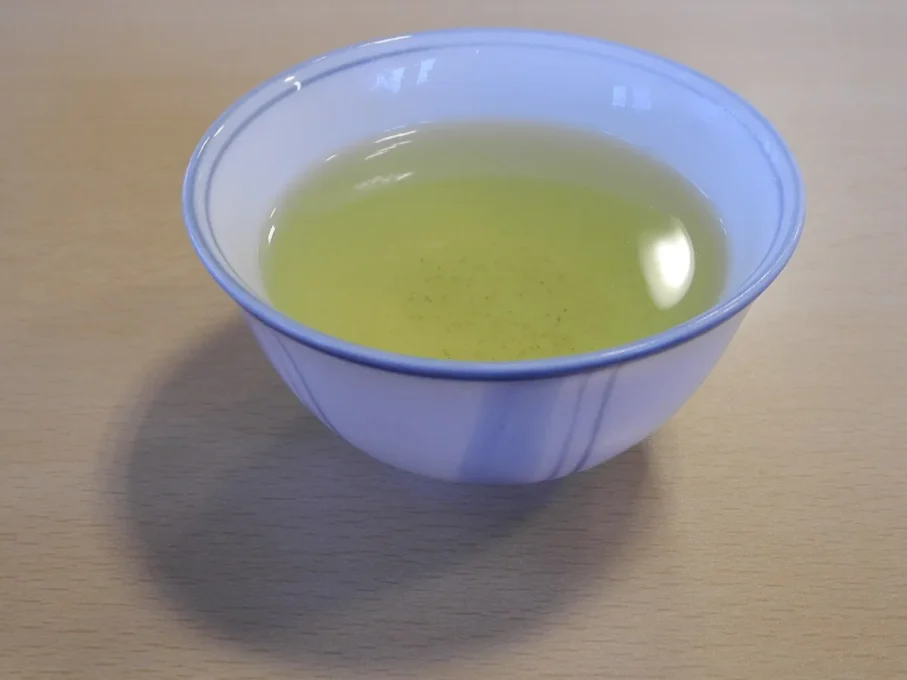
- Brew with water just below boiling (about 175°F) for 2 to 3 minutes to avoid bitterness.
- Drink it plain or with lemon instead of sugar.
- Choose decaf in the afternoon if caffeine affects your sleep.
- Green tea may reduce the effect of the blood pressure drug nadolol. Ask your doctor if you take it.
What lowers cancer risk the most
Stronger evidence
Not smoking, limiting alcohol, staying active, keeping a healthy weight and getting recommended screenings. For food choices, read our guide to eating to lower cancer risk and cruciferous vegetables guide.
The bottom line
The bottom line on green tea and cancer risk: enjoy brewed tea as a healthy drink, skip high-dose extracts, and focus on proven habits. The science on green tea and cancer risk is still evolving.
Frequently asked questions
How many cups of green tea a day are safe?
For most healthy adults, 3 to 5 cups a day is a common amount. Watch total caffeine if you are sensitive, pregnant or have heart rhythm problems.
Is matcha healthier than regular green tea?
Matcha is powdered whole leaf, so it provides more catechins and caffeine per serving. It has not been proven to prevent cancer.
Does green tea help with weight loss?
NCCIH notes any effect of green tea catechins on weight is small. It is a good swap for sugary drinks, which helps more.
Your next step
Swap one sugary drink a day for a cup of brewed green tea for the next two weeks.
Common myths about green tea and cancer risk
- Myth: Green tea prevents cancer. Fact: Human studies are inconsistent, and trials have not proven prevention.
- Myth: Extract pills are a stronger version of tea. Fact: Concentrated extracts carry a rare risk of liver injury that brewed tea does not.
- Myth: Only Japanese sencha counts. Fact: Any brewed green tea provides catechins. Enjoy it as part of a healthy pattern, not as a cure, when you think about green tea and cancer risk.
Sources
About the author: Reginaldo Encarnacao is an independent health writer who researches public sources such as the National Institutes of Health (NIH). He is not a doctor, pharmacist or dietitian.
Medical disclaimer: The information on this page is for educational purposes only and is not intended to diagnose, treat, cure or prevent any disease. Statements about dietary supplements have not been evaluated by the Food and Drug Administration. Individual results vary. See our full disclaimer.