
Saw Palmetto for the Prostate: An Honest Look at the Evidence
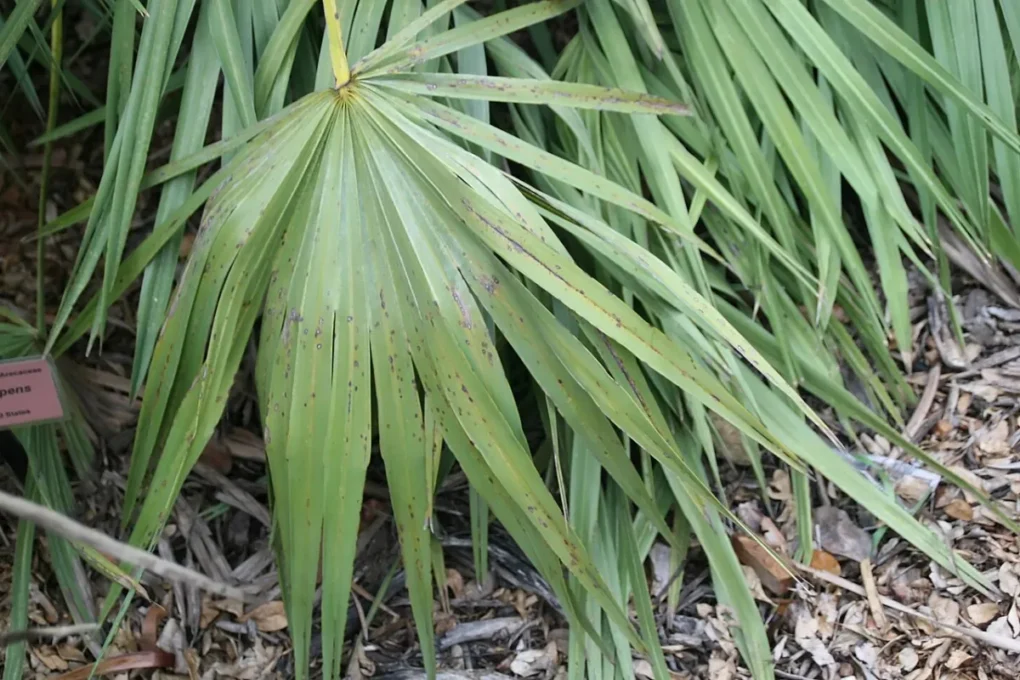
Saw palmetto for the prostate is a fixture in the men’s health aisle. It comes from the berries of a small palm native to the southeastern United States and has been used for urinary symptoms for generations. So does it work? The best studies say probably not much.
Health note: This article is for general education only. It is not medical advice and it does not replace care from your doctor. Foods and supplements are not a substitute for prescribed treatment. Talk to a licensed health professional before changing your diet, medicines or supplements, especially if you are pregnant, take prescription drugs or have a chronic condition.
- A 2023 review of 27 studies found saw palmetto alone gives little or no benefit for BPH symptoms.
- It is generally well tolerated and does not change PSA test results.
- Lifestyle changes and proven medicines are more reliable options.
Saw palmetto for the prostate: what the research shows
Limited evidence
According to NCCIH, a 2023 systematic review of 27 studies concluded that saw palmetto, taken alone, provides little or no benefit for symptoms of benign prostatic hyperplasia (BPH). Large NIH-funded trials, including one that tested increasing doses, found no improvement compared with placebo. Researchers also found no difference between types of extracts.
Is it safe?
Saw palmetto is usually well tolerated. Side effects are mild and uncommon, such as stomach upset, dizziness and headache. It does not affect PSA levels, even at higher doses. It may not be safe during pregnancy or breastfeeding. Tell your doctor if you take it, especially before surgery.
What helps urinary symptoms instead
Stronger evidence
The National Institute of Diabetes and Digestive and Kidney Diseases (NIDDK) recommends:
- Drinking less in the 2 hours before bed or going out.
- Cutting back on alcohol and caffeine.
- Staying physically active.
- Emptying the bladder completely and not holding urine too long.
- Reviewing medicines like decongestants, antihistamines and diuretics with your doctor.
If symptoms still bother you, doctors have several prescription medicines and procedures with strong evidence.
Foods for overall prostate health
A colorful diet with tomatoes, cruciferous vegetables, beans and healthy fats supports overall health. Read our prostate health guide and tomatoes and lycopene article.
The bottom line
The bottom line on saw palmetto for the prostate: it is safe for most men but unlikely to help much. Before spending money on saw palmetto for the prostate, talk to your doctor about habits and proven treatments.
Frequently asked questions
Why is saw palmetto still so popular?
It has a long history of traditional use and some early small studies looked positive. Larger and better-designed trials later found little or no benefit.
Can saw palmetto hide prostate cancer?
Saw palmetto does not change PSA test results, according to NCCIH. Still, tell your doctor about any supplement you take.
Is pumpkin seed oil a better choice?
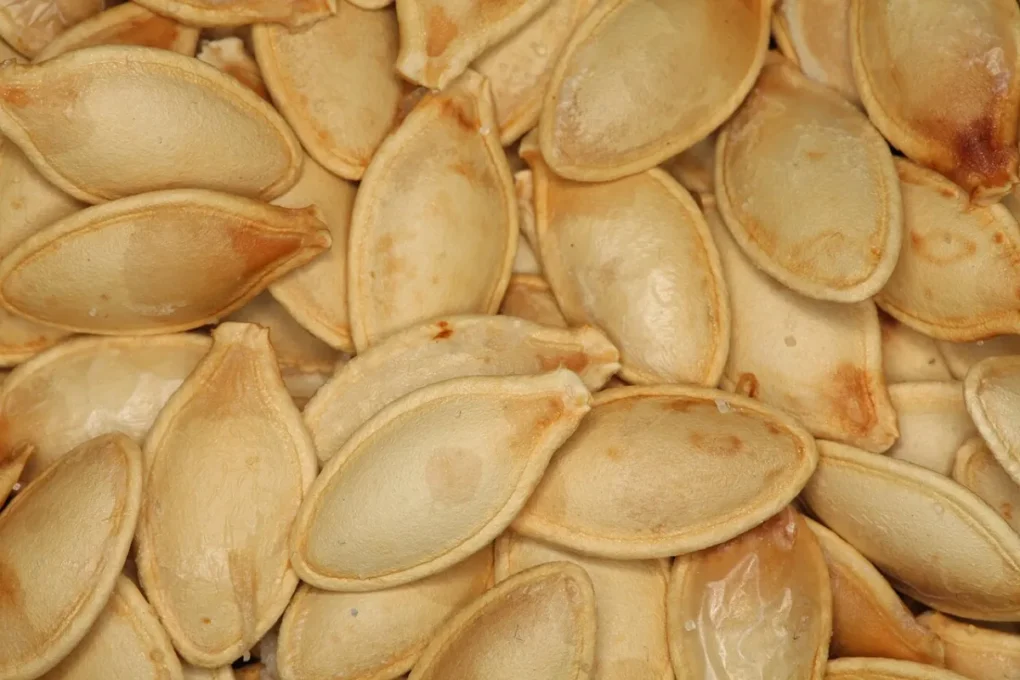
A few small studies suggest modest benefits, but evidence is limited. Pumpkin seeds as a food are a healthy snack either way.
Your next step
Before buying a prostate supplement, keep a 3-day log of how often you urinate day and night, then share it with your doctor to choose the right treatment.
Common myths about saw palmetto for the prostate
- Myth: It works like prescription BPH medicine. Fact: Large trials found little or no benefit over placebo.
- Myth: A stronger extract works better. Fact: Studies found no difference between extraction methods.
- Myth: It is risky for PSA testing. Fact: Saw palmetto for the prostate does not change PSA results, but tell your doctor you take it.
Sources
About the author: Reginaldo Encarnacao is an independent health writer who researches public sources such as the National Institutes of Health (NIH). He is not a doctor, pharmacist or dietitian.
Medical disclaimer: The information on this page is for educational purposes only and is not intended to diagnose, treat, cure or prevent any disease. Statements about dietary supplements have not been evaluated by the Food and Drug Administration. Individual results vary. See our full disclaimer.