
Prostate Health After 50: Foods, Habits and Supplements Explained
Prostate health becomes a bigger topic after 50, when many men start getting up at night to urinate or notice a weaker stream. Most of the time the cause is benign prostatic hyperplasia (BPH), a non-cancerous enlargement of the prostate. Food and habits can help you feel better, and knowing when to see a doctor matters even more.
Health note: This article is for general education only. It is not medical advice and it does not replace care from your doctor. Foods and supplements are not a substitute for prescribed treatment. Talk to a licensed health professional before changing your diet, medicines or supplements, especially if you are pregnant, take prescription drugs or have a chronic condition.
- Simple habits, like drinking less before bed and cutting back on alcohol and caffeine, ease BPH symptoms.
- A diet rich in colorful vegetables, tomatoes and healthy fats supports overall and prostate health.
- Saw palmetto is popular, but large studies found little or no benefit for urinary symptoms.
Daily prostate health habits that ease urinary symptoms
Stronger evidence
The NIDDK recommends these lifestyle steps for BPH:
- Drink fewer liquids in the 2 hours before bed or before going out.
- Limit alcohol and caffeine, which irritate the bladder and increase urine output.
- Stay physically active.
- Empty your bladder completely and do not hold urine for long periods.
- Review your medicines with your doctor. Decongestants, antihistamines, some antidepressants and diuretics can worsen symptoms.
The “rainbow plate” for men
Different plant colors come from different natural compounds. Eating a variety of colors each day is an easy way to cover them all:
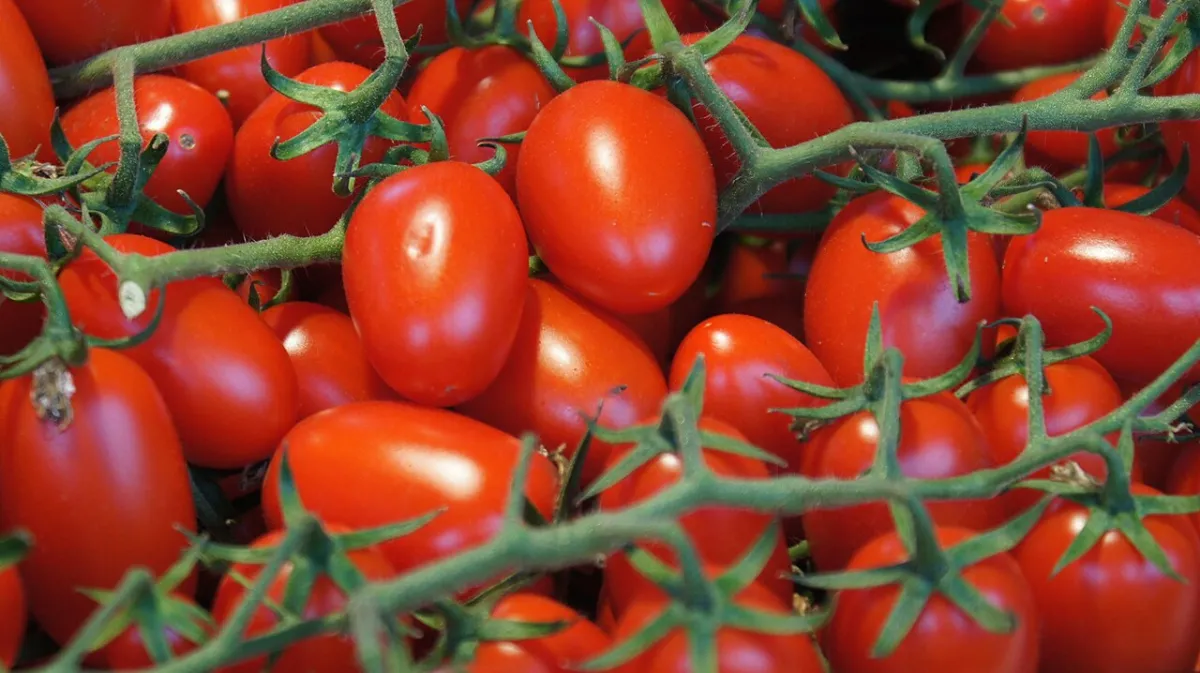
- Red: tomatoes, watermelon and pink grapefruit (lycopene).
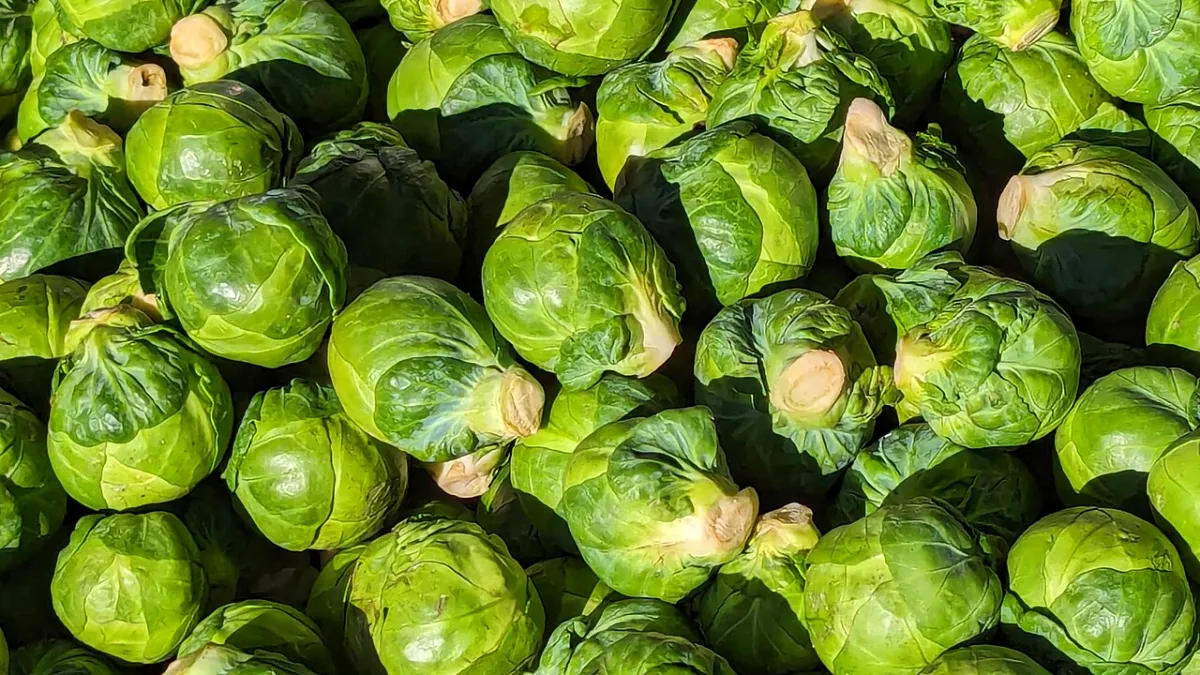
- Green: broccoli, Brussels sprouts, kale and cabbage (glucosinolates).
- Orange: carrots and sweet potatoes (beta-carotene).
- Blue and purple: blueberries, red grapes and red cabbage (anthocyanins).
Tomatoes and lycopene
Mixed evidence
Lycopene is the red pigment in tomatoes. Some observational studies link frequent tomato intake, especially cooked tomatoes such as sauce, with a lower risk of prostate cancer, while others find no link. Cooking tomatoes with a little olive oil helps the body absorb lycopene. Enjoy tomato sauce, soup and salsa as part of a balanced diet.
Broccoli and other cruciferous vegetables
Mixed evidence
According to the National Cancer Institute, cruciferous vegetables contain compounds such as sulforaphane and indole-3-carbinol that protect cells in lab studies. Human studies are mixed: some found lower prostate cancer risk in certain groups, while most large studies found little or no association. They are still nutrient-dense, high-fiber foods worth eating several times a week.
Pumpkin seeds and zinc
Limited evidence
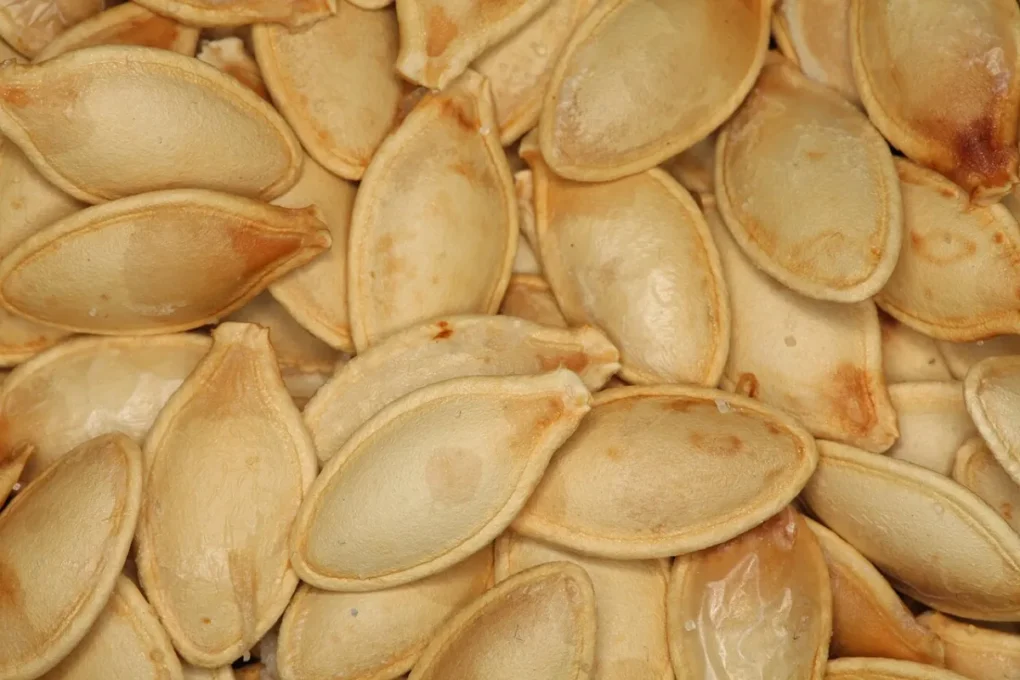
The prostate contains high levels of zinc, and pumpkin seeds are a good food source of zinc and magnesium. A few small studies of pumpkin seed extract for urinary symptoms show modest effects. A quarter cup of roasted pumpkin seeds is a smart snack. Avoid high-dose zinc supplements unless your doctor recommends them, since too much zinc can cause copper deficiency.
Saw palmetto: popular but disappointing
Limited evidence
Saw palmetto comes from the berries of a small palm tree native to the southeastern United States. NCCIH reports that a 2023 review of 27 studies concluded saw palmetto alone provides little or no benefit for BPH symptoms, even at high doses. It is usually well tolerated, with occasional stomach upset or headache, and it does not affect PSA results. If you want to try it, tell your doctor.
Sunlight and vitamin D
Mixed evidence
Vitamin D is made in the skin with sun exposure and found in fatty fish and fortified milk. Researchers are studying its possible role in prostate health. Adults up to age 70 need 600 IU a day and adults over 70 need 800 IU. A few minutes of sun on arms and legs can help, but protect your skin from sunburn to lower your skin cancer risk.
Sexual health and circulation
Erection problems are often an early sign of blood vessel disease, so they deserve a medical checkup. Foods that support circulation, such as leafy greens, beets, watermelon and olive oil, help overall vascular health. NCCIH notes that Asian ginseng seems to improve sexual function in men with erectile dysfunction in some studies, though it can cause insomnia and interact with medicines. Mixed evidence
Your next step
Write down how many times you get up at night to urinate for one week, then share that record at your next checkup. It gives your doctor real data to work with.
Frequently asked questions
What is the best food for prostate health?
No single food is best. A varied diet with tomatoes, cruciferous vegetables, beans, fish and healthy fats supports prostate health and overall health.
At what age should I think about prostate health?
Many men start noticing urinary changes after 50. Talk to your doctor about screening between ages 50 and 55, or earlier if you have a family history.
Does coffee affect prostate health?
Caffeine can irritate the bladder and increase urgency. Cutting back, especially in the evening, often helps urinary symptoms.
Related articles
- Pumpkin Seeds and Prostate Health
- Lycopene and Prostate Health
- Saw Palmetto for the Prostate: An Honest Look
- Cruciferous Vegetables Guide
Sources
- NIDDK: Prostate Enlargement (Benign Prostatic Hyperplasia)
- NCCIH: Saw Palmetto
- National Cancer Institute: Cruciferous Vegetables and Cancer Prevention
- NIH Office of Dietary Supplements: Vitamin D
- NCCIH: Asian Ginseng
About the author: Reginaldo Encarnacao is an independent health writer who researches public sources such as the National Institutes of Health (NIH). He is not a doctor, pharmacist or dietitian.
Medical disclaimer: The information on this page is for educational purposes only and is not intended to diagnose, treat, cure or prevent any disease. Statements about dietary supplements have not been evaluated by the Food and Drug Administration. Individual results vary. See our full disclaimer.