

Tomatoes, Lycopene and Prostate Health: What the Evidence Really Says
Lycopene and prostate health have been studied together for decades. Tomatoes, the richest common source of lycopene, are often called a “prostate food.” The results are more modest than headlines suggest, but tomatoes still earn a place on a healthy plate.
Health note: This article is for general education only. It is not medical advice and it does not replace care from your doctor. Foods and supplements are not a substitute for prescribed treatment. Talk to a licensed health professional before changing your diet, medicines or supplements, especially if you are pregnant, take prescription drugs or have a chronic condition.
- A 2016 meta-analysis found a weak link between eating more tomatoes and lower prostate cancer risk.
- Large long-term cohort studies did not find a clear benefit.
- Cooked tomatoes with a little olive oil provide the most absorbable lycopene.
What is lycopene?
Lycopene is a carotenoid, a natural pigment that gives tomatoes, watermelon, pink grapefruit and guava their red color. In the lab it acts as an antioxidant. In the body, it tends to collect in certain tissues, including the prostate, which is why researchers became interested in it.
Lycopene and prostate health: what the studies found
Mixed evidence
A 2016 meta-analysis combined 24 studies with more than 15,000 prostate cancer cases. Men who ate more tomatoes had about a 14% lower risk on average. However, the protective effect showed up mainly in case-control studies, which are more prone to bias. Prospective cohort studies, which follow people over time, found no significant benefit. The authors described the effect as possibly “weak” and called for more research.
Bottom line: tomatoes are a healthy food, but they are not a proven shield against prostate cancer, and lycopene pills are not a substitute for screening conversations with your doctor.
Cooked or raw?
Heat breaks down tomato cell walls, and fat helps the body absorb carotenoids. That is why tomato sauce, soup and paste cooked with a little olive oil provide more usable lycopene than raw tomatoes. Both forms are healthy, so enjoy them in any way you like.
Easy ways to eat more lycopene
- Homemade tomato sauce with olive oil and garlic over whole grain pasta.
- Tomato and lentil soup.
- Salsa with beans, peppers and onions.
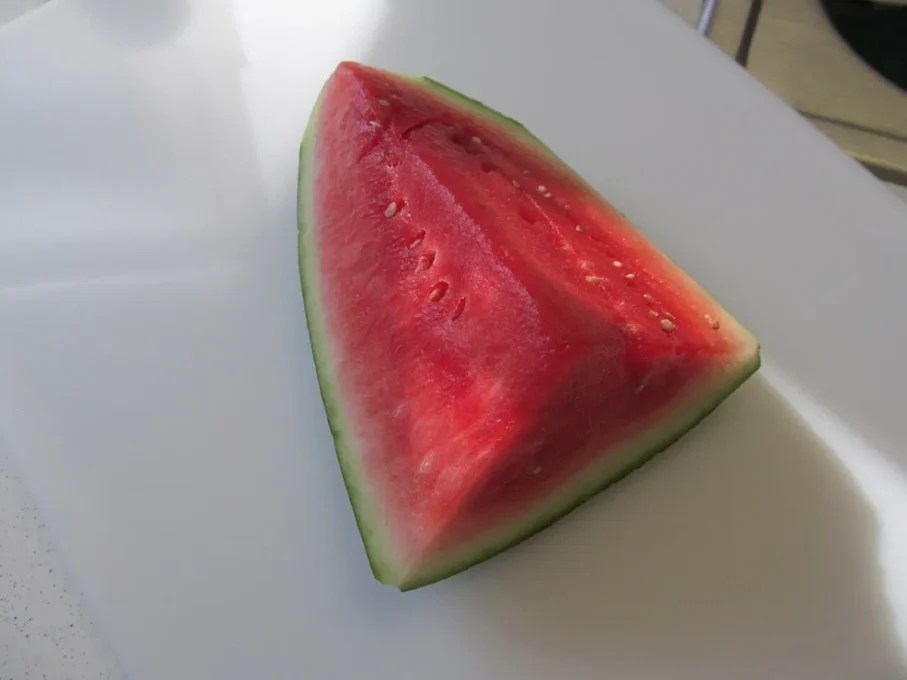
- Watermelon or pink grapefruit as a snack.
- Low-sodium canned tomatoes in chili and stews.
Watch the salt and sugar in jarred sauces and ketchup. Choose low-sodium, no-sugar-added options.
What about lycopene supplements?
Limited evidence
Supplements provide lycopene without the fiber, vitamin C and potassium found in whole tomatoes, and trials have not shown clear prostate benefits. They are generally well tolerated, but food is the better choice.
Symptoms that need a doctor, not a food
Frequent nighttime urination, a weak stream or trouble emptying the bladder are common with an enlarged prostate (BPH). See a doctor promptly for blood in the urine, pain or fever, or if you cannot urinate. Our prostate health guide covers daily habits that ease symptoms.
Your next step
Plan two tomato-based meals this week, such as tomato-lentil soup and pasta with homemade sauce, and ask your doctor at your next checkup whether PSA screening is right for you.
The bottom line
The bottom line on lycopene and prostate health: enjoy tomatoes, watermelon and pink grapefruit as part of a colorful diet, but do not rely on them for protection. Research on lycopene and prostate health is mixed, so pair good food with regular checkups and an honest talk with your doctor about screening.
Frequently asked questions
How much lycopene should I eat for prostate health?
There is no official target. Eating tomato products a few times a week, plus watermelon or pink grapefruit, is a simple goal.
Is ketchup a good source of lycopene?
Ketchup contains lycopene but also salt and sugar. Tomato sauce, soup and paste are better everyday sources.
Do lycopene and prostate health studies apply to supplements?
Most positive findings come from foods, not pills. Supplement trials have not shown clear benefits.
Related articles
Sources
- Tomato consumption and prostate cancer risk: a systematic review and meta-analysis (PubMed)
- NIDDK: Prostate Enlargement (Benign Prostatic Hyperplasia)
About the author: Reginaldo Encarnacao is an independent health writer who researches public sources such as the National Institutes of Health (NIH). He is not a doctor, pharmacist or dietitian.
Medical disclaimer: The information on this page is for educational purposes only and is not intended to diagnose, treat, cure or prevent any disease. Statements about dietary supplements have not been evaluated by the Food and Drug Administration. Individual results vary. See our full disclaimer.