


Ashwagandha for Stress and Sleep: Benefits, Dosage and Safety
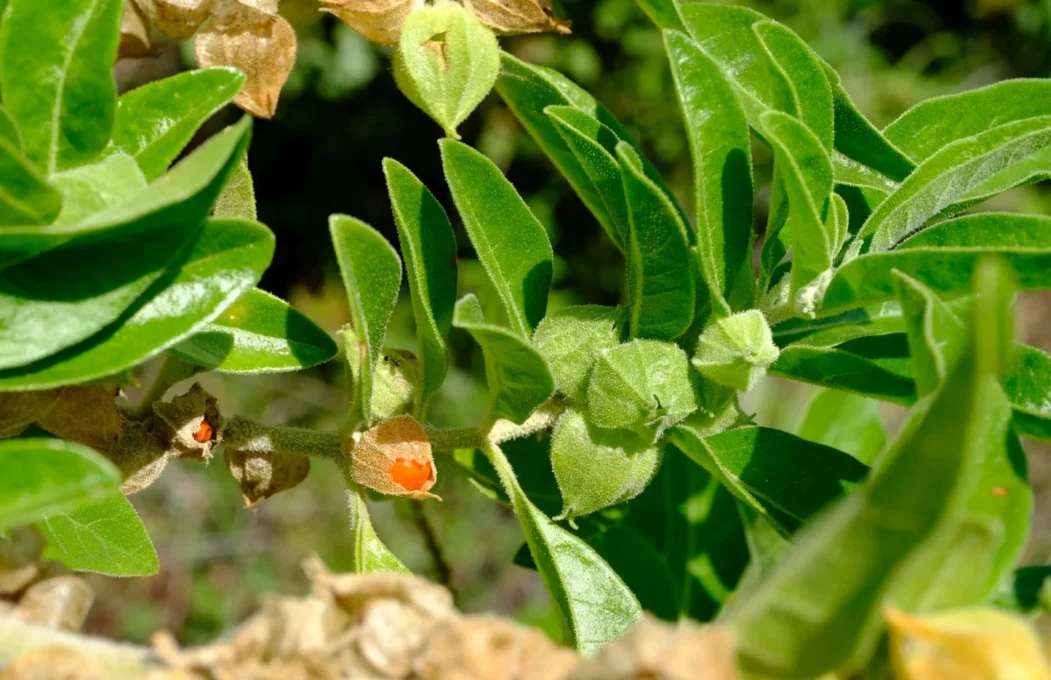
Ashwagandha for stress is one of the most searched herbal topics in the US. Ashwagandha (Withania somnifera) is a shrub used for centuries in Ayurvedic medicine, and its root is now sold as an adaptogen. Some studies are encouraging, but safety questions remain.
Health note: This article is for general education only. It is not medical advice and it does not replace care from your doctor. Foods and supplements are not a substitute for prescribed treatment. Talk to a licensed health professional before changing your diet, medicines or supplements, especially if you are pregnant, take prescription drugs or have a chronic condition.
- The NIH notes people taking ashwagandha for 6 to 8 weeks reported less stress, anxiety and fatigue.
- Doses of about 500 to 600 mg a day were studied most.
- Long-term safety is not established, and rare liver injury has been reported.
Ashwagandha for stress: what the research shows
Mixed evidence
According to the NIH Office of Dietary Supplements, several small studies found that adults who took ashwagandha for 6 to 8 weeks reported feeling less stressed and anxious and less tired. Studies used different extracts and doses, and most were short.
Ashwagandha and sleep
Limited evidence
Some participants in research fell asleep a little faster and slept a bit longer, especially with doses of 600 mg or more taken for at least 8 weeks. The improvements were modest.
Side effects and safety
- Common: upset stomach, diarrhea and drowsiness.
- Rare but serious: liver injury. Stop and see a doctor if you notice yellow skin, dark urine or itching.
- May raise thyroid hormone levels.
- Not recommended during pregnancy.
Simple stress habits with stronger evidence
- Regular physical activity, even a 20-minute walk.
- Consistent sleep and wake times.
- Slow breathing or mindfulness for 10 minutes a day.
- Talking with a counselor or therapist when stress feels overwhelming.
The bottom line
The bottom line on ashwagandha for stress: short-term studies are encouraging, but products vary and long-term safety is unknown. If you consider ashwagandha for stress, choose a third-party tested product, use it short term and involve your doctor, while building proven habits like exercise and sleep.
Frequently asked questions
How long does ashwagandha take to work?
Studies usually measured effects after 6 to 8 weeks of daily use.
Can I take ashwagandha with coffee?
There is no known direct interaction, but caffeine can worsen anxiety and sleep, which may cancel out benefits.
Is ashwagandha safe for long-term use?
The NIH says it is not clear whether it is safe for longer periods. Most studies lasted 3 months or less.
Your next step
Before buying any ashwagandha product, try two weeks of a daily 20-minute walk and a fixed bedtime, then discuss with your doctor whether a supplement still makes sense. Bring the product label to that visit so your doctor or pharmacist can check the dose, the extract type and any possible interactions with your current medicines.
Related articles
Sources
About the author: Reginaldo Encarnacao is an independent health writer who researches public sources such as the National Institutes of Health (NIH). He is not a doctor, pharmacist or dietitian.
Medical disclaimer: The information on this page is for educational purposes only and is not intended to diagnose, treat, cure or prevent any disease. Statements about dietary supplements have not been evaluated by the Food and Drug Administration. Individual results vary. See our full disclaimer.