
Natural Sleep Aids Compared: Melatonin, Valerian, Chamomile and Tart Cherry
Natural sleep aids sound appealing when sleep will not come. Some options have modest evidence for specific problems, and some have very little. Here is an honest side-by-side look, plus the habits that sleep experts recommend first.
Health note: This article is for general education only. It is not medical advice and it does not replace care from your doctor. Foods and supplements are not a substitute for prescribed treatment. Talk to a licensed health professional before changing your diet, medicines or supplements, especially if you are pregnant, take prescription drugs or have a chronic condition.
See a doctor if trouble sleeping lasts more than a few weeks, if you snore loudly or stop breathing during sleep, or if you feel very sleepy during the day. Sleep apnea, depression, pain and some medicines are common hidden causes.
- Melatonin has the best evidence, but mainly for jet lag, not long-term insomnia.
- Valerian and chamomile have weak evidence for insomnia.
- Cognitive behavioral therapy for insomnia (CBT-I) is the recommended first treatment for chronic insomnia.
Natural sleep aids: side-by-side comparison
| Option | What research shows | Main cautions |
|---|---|---|
| Melatonin | May reduce jet lag symptoms, especially after eastward flights. Not enough strong evidence for chronic insomnia. | Labels are often inaccurate; can cause daytime drowsiness; keep gummies away from children. |
| Valerian | Mixed results. Sleep medicine guidelines advise against it for chronic insomnia. | Used with apparent safety at 300 to 600 mg for up to 6 weeks; long-term safety unknown. |
| Chamomile | Very limited insomnia research; one study showed no benefit. Early studies suggest help for anxiety. | Allergy risk for people sensitive to ragweed, daisies or marigolds. |
| Tart cherry | Small studies suggest slightly longer sleep. | Juice adds sugar and calories. |
Melatonin
Mixed evidence
Melatonin is a hormone your brain releases in the evening. NCCIH reports that supplements may be better than placebo for jet lag after eastward flights. For chronic insomnia, medical guidelines say there is not enough strong evidence. Quality is another problem: a 2023 study found that 22 of 25 melatonin gummy products were inaccurately labeled. Reports of children accidentally swallowing melatonin have risen sharply, so store it like medicine.
If you try it: use the lowest dose, take it 1 to 2 hours before bed, and choose a product with a USP Verified seal.
Valerian
Limited evidence
Valerian root has been used since ancient times. Research results are mixed, and the American Academy of Sleep Medicine recommends against it for chronic insomnia in adults. It appears safe short term. Do not combine it with alcohol or sleep medicines.
Chamomile tea
Limited evidence
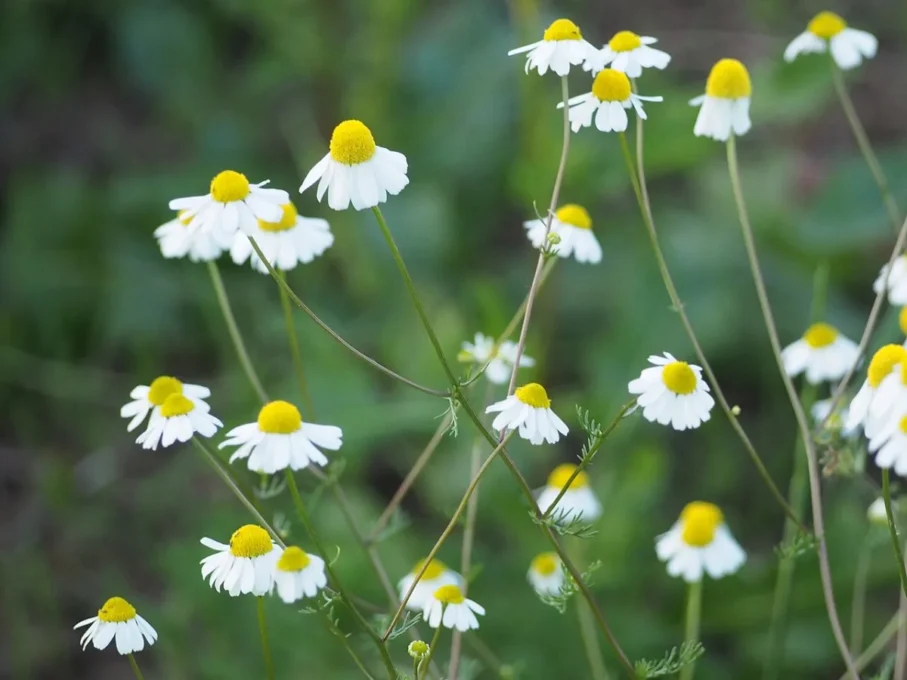
A warm cup of chamomile can be a relaxing part of a bedtime routine. NCCIH notes that research on insomnia is very limited, though early studies suggest a chamomile supplement might help generalized anxiety. It is likely safe in tea amounts, but avoid it if you are allergic to plants in the daisy family.

Tart cherries
Limited evidence
Tart (Montmorency) cherries contain small amounts of natural melatonin. A few small studies of tart cherry juice found modestly longer sleep. If you try it, choose unsweetened juice and count it toward your fruit and sugar intake.
Habits that beat any supplement
Stronger evidence
- Wake up at the same time every day, even on weekends.
- Get daylight in the morning and dim lights in the evening.
- Stop caffeine about 8 hours before bed and limit alcohol.
- Keep the bedroom cool, dark and quiet.
- If you cannot sleep after about 20 minutes, get up and do something calm until you feel sleepy.
- Ask your doctor about CBT-I, which is available in person and through apps.
For more on energy and daily vitality, read our guide to natural energy and vitality.
Your next step
For the next 7 nights, keep a simple sleep diary: bedtime, wake time, caffeine and how rested you feel. Bring it to your doctor if poor sleep continues.
The bottom line
The bottom line on natural sleep aids: habits come first, and natural sleep aids are a short-term extra at most.
Frequently asked questions
Which natural sleep aids are safest?
Chamomile tea and good sleep habits are low risk for most adults. Melatonin is generally safe short term but product quality varies.
Can I combine natural sleep aids?
Combining products raises the risk of side effects and interactions. Try one change at a time and ask a pharmacist before mixing.
Are natural sleep aids safe for older adults?
Older adults may feel drowsy the next day and have a higher risk of falls. Start with sleep habits and talk to a doctor first.
Related articles
Sources
About the author: Reginaldo Encarnacao is an independent health writer who researches public sources such as the National Institutes of Health (NIH). He is not a doctor, pharmacist or dietitian.
Medical disclaimer: The information on this page is for educational purposes only and is not intended to diagnose, treat, cure or prevent any disease. Statements about dietary supplements have not been evaluated by the Food and Drug Administration. Individual results vary. See our full disclaimer.