

Foods and Spices Studied for Healthy Blood Sugar Levels
Healthy blood sugar depends on what you eat, how much you move and how well you sleep. Some foods and spices have been studied for small extra benefits. None of them replaces diabetes medicine, but the right choices can make every meal work in your favor.
Health note: This article is for general education only. It is not medical advice and it does not replace care from your doctor. Foods and supplements are not a substitute for prescribed treatment. Talk to a licensed health professional before changing your diet, medicines or supplements, especially if you are pregnant, take prescription drugs or have a chronic condition.
- The plate method and 150 minutes of weekly activity are the foundation, backed by the NIH.
- Cinnamon, vinegar and bitter melon show small or inconsistent effects in studies.
- Magnesium-rich foods are linked to a lower risk of type 2 diabetes.
The plate method for healthy blood sugar
Stronger evidence
The National Institute of Diabetes and Digestive and Kidney Diseases (NIDDK) suggests filling half your plate with nonstarchy vegetables such as leafy greens, peppers, carrots or green beans, one quarter with lean protein and one quarter with fiber-rich carbohydrates. You do not have to give up favorite foods. Smaller portions, less often, work too.
Example dinner: grilled chicken, a big spinach and pepper salad with olive oil, and half a cup of brown rice or beans.
Move after meals
Stronger evidence
NIDDK recommends at least 150 minutes of moderate activity each week plus strength training twice a week. A 10 to 15 minute walk after your largest meal is an easy place to start, because working muscles pull sugar out of the blood.
Cinnamon
Mixed evidence
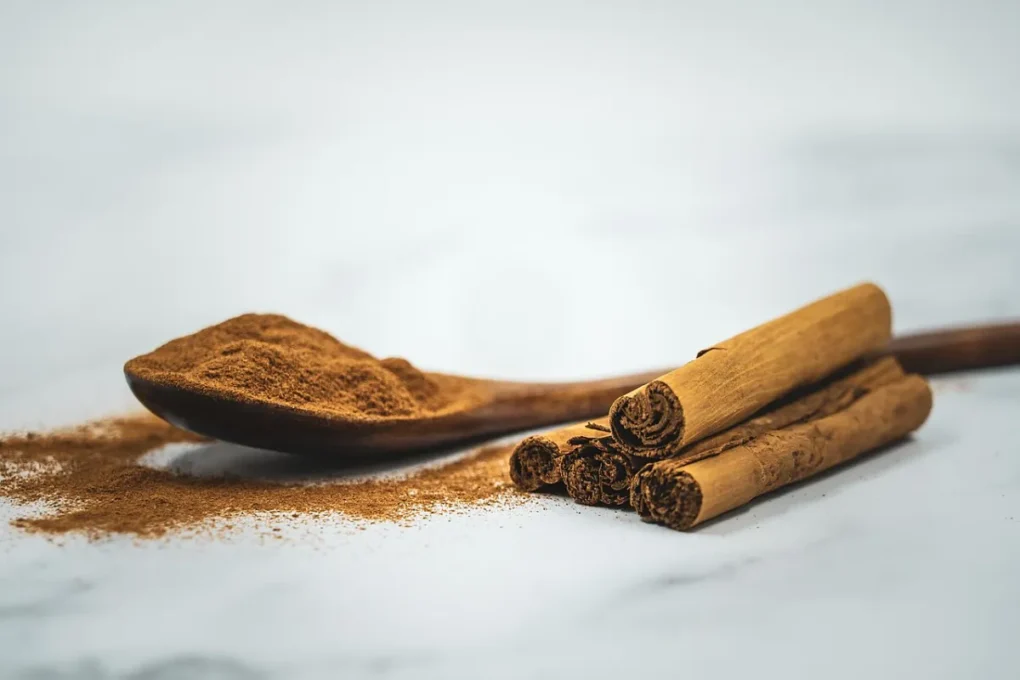
Cinnamon is one of the most searched “natural” options for blood sugar. NCCIH says it is unclear whether cinnamon supplements help with diabetes, and better studies are needed. Cassia cinnamon, the common supermarket type, contains coumarin, which can harm the liver in large amounts. Ceylon cinnamon has only traces. Sprinkling cinnamon on oatmeal, yogurt or coffee is safe and adds sweetness without sugar.
Apple cider vinegar
Limited evidence
Small studies suggest that 1 to 2 tablespoons of vinegar with a carb-rich meal may slightly lower the blood sugar rise after eating. The studies are short and small. Always dilute it in water or use it as salad dressing, because straight vinegar can damage tooth enamel and irritate the throat. Skip it if you have reflux or slow stomach emptying (gastroparesis).
Bitter melon
Limited evidence
Bitter melon (Momordica charantia) is a vegetable used in Asian, Indian and Caribbean cooking and in traditional medicine for diabetes. Human studies are few and results are mixed. It can lower blood sugar, so combining concentrated extracts with diabetes medicine needs a doctor’s supervision. It is not safe during pregnancy.
Stevia instead of sugar
Stronger evidence
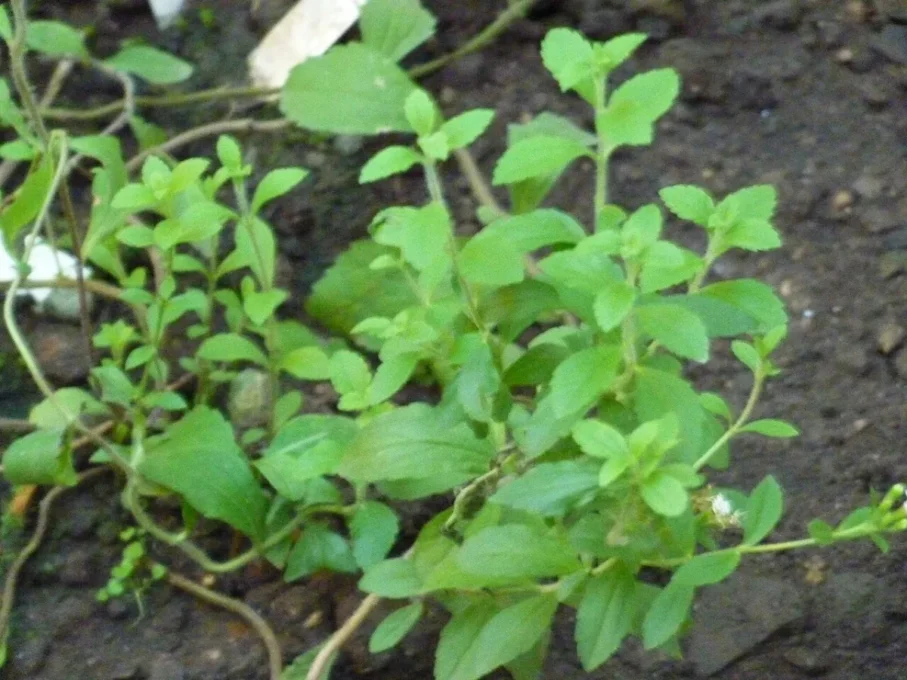
Stevia comes from the leaves of Stevia rebaudiana. Its sweet compounds are roughly 200 to 400 times sweeter than sugar and add no calories or carbohydrates. The FDA considers high-purity stevia extracts generally recognized as safe. Whole-leaf and crude extracts are not approved as sweeteners in the US. Swapping sugary drinks for water, unsweetened tea or drinks sweetened with stevia is one of the simplest ways to cut added sugar.
Magnesium-rich foods
Mixed evidence
The NIH reports that people with higher magnesium intake tend to have a lower risk of type 2 diabetes, and magnesium helps the body process sugar. Load up on leafy greens, pumpkin seeds, almonds, beans and whole grains. Talk to your doctor before taking supplements, especially if you have kidney disease.
Supplements you may hear about
- Berberine: a compound from plants such as goldenseal and barberry. Some trials show it lowers blood sugar, and it interacts with many medicines. Use only with medical supervision. Mixed evidence
- Asian ginseng: NCCIH notes a 2022 analysis found improved fasting glucose in people with prediabetes and diabetes, with inconsistent results. It may cause insomnia and interact with medicines. Mixed evidence
- Vitamin B12: not a blood sugar supplement, but if you take metformin, ask for a B12 test, because the drug can lower B12 levels. Stronger evidence
Watch the waistline, not just the scale
Fat stored around the belly (visceral fat) is closely linked to insulin resistance and fatty liver, even in people with a “normal” weight. Measure your waist at the belly button. For most adults, more than 40 inches in men or 35 inches in women is a sign to talk to your doctor.
Your next step
Pick one change this week: the plate method at dinner, a walk after your biggest meal, or replacing soda with water or unsweetened tea. Then ask your doctor for an A1C test if you have not had one in the past year.
The bottom line
The bottom line on healthy blood sugar: meals built around vegetables, fiber and protein, plus daily movement, do more than any single spice. Use cinnamon, vinegar or stevia as small helpers, and work with your doctor on healthy blood sugar targets that fit you.
Frequently asked questions
What is a healthy blood sugar level?
For most adults without diabetes, a fasting level under 100 mg/dL is considered normal. Your doctor can explain the targets that fit you, including A1C.
Which drinks support healthy blood sugar?
Water, unsweetened tea and coffee, and sparkling water are the best everyday choices. Sugary sodas and juices cause fast spikes.
Can I support healthy blood sugar without medicine?
Many people with prediabetes improve with diet, activity and weight loss. If you already take medicine, never stop it without your doctor.
Related articles
- Bitter Melon and Blood Sugar
- Cinnamon and Blood Sugar: Ceylon vs. Cassia
- Apple Cider Vinegar and Blood Sugar
- Magnesium Guide
Sources
- NIDDK: Diabetes Diet, Eating, and Physical Activity
- NCCIH: Cinnamon
- NIH Office of Dietary Supplements: Magnesium
- NIH Office of Dietary Supplements: Vitamin B12
- NCCIH: Asian Ginseng
About the author: Reginaldo Encarnacao is an independent health writer who researches public sources such as the National Institutes of Health (NIH). He is not a doctor, pharmacist or dietitian.
Medical disclaimer: The information on this page is for educational purposes only and is not intended to diagnose, treat, cure or prevent any disease. Statements about dietary supplements have not been evaluated by the Food and Drug Administration. Individual results vary. See our full disclaimer.