
Cinnamon and Blood Sugar: Ceylon vs. Cassia and What Studies Show
Cinnamon and blood sugar is one of the most searched natural health topics. Cinnamon is a wonderful spice that adds sweetness without sugar. As a treatment, though, the evidence is unclear, and the type of cinnamon you buy matters for safety.
Health note: This article is for general education only. It is not medical advice and it does not replace care from your doctor. Foods and supplements are not a substitute for prescribed treatment. Talk to a licensed health professional before changing your diet, medicines or supplements, especially if you are pregnant, take prescription drugs or have a chronic condition.
- NCCIH says it is unclear whether cinnamon supplements help with diabetes.
- Cassia cinnamon, the common supermarket type, contains coumarin, which can harm the liver in large amounts.
- Using cinnamon as a spice is safe and can help you cut added sugar.
Cinnamon and blood sugar: what the research shows
Mixed evidence
Some small studies found cinnamon supplements lowered fasting blood sugar, while others found no effect. The National Center for Complementary and Integrative Health concludes that it is unclear whether cinnamon is helpful for diabetes and that better studies are needed. Products used in studies varied in type and dose, which explains part of the confusion.
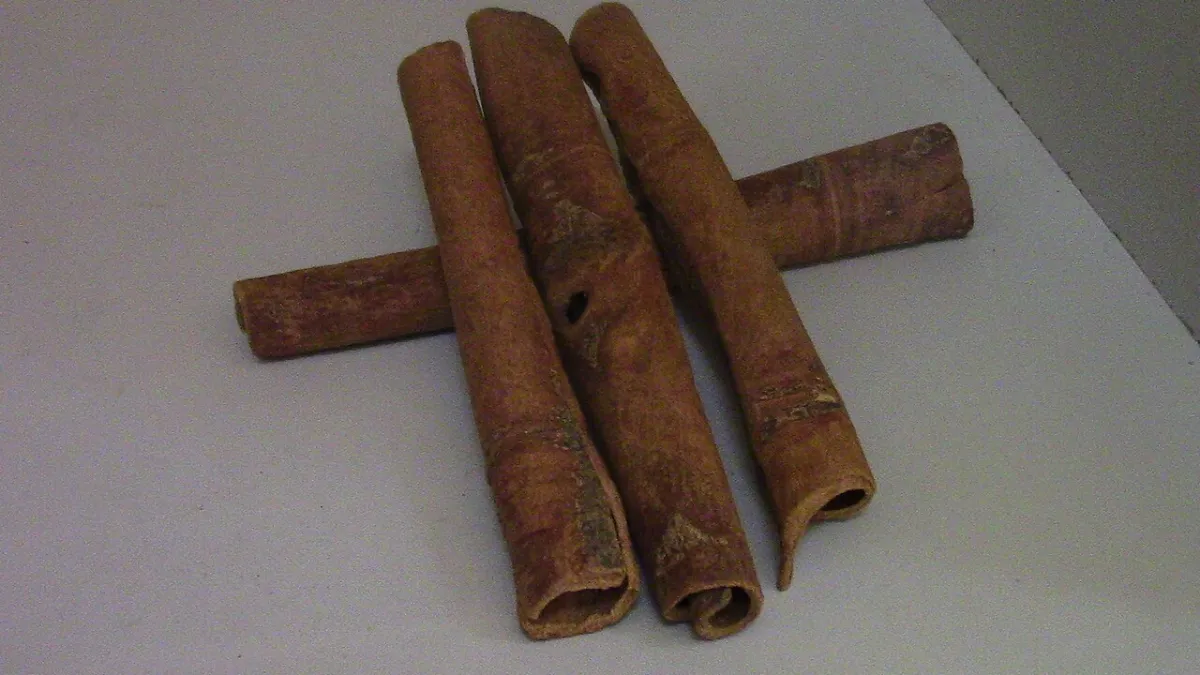
Ceylon vs. cassia cinnamon
| Cassia (Chinese) cinnamon | Ceylon (“true”) cinnamon | |
|---|---|---|
| Where you find it | Most US supermarkets | Specialty stores and online |
| Look | Thick, hard, single-layer sticks | Thin, papery layers rolled like a cigar |
| Flavor | Strong and spicy | Mild and sweet |
| Coumarin | Can be high | Only traces |
A sprinkle of cassia in food is fine for most people. If you use cinnamon every day in large amounts, Ceylon is the safer choice.
Smart ways to use cinnamon
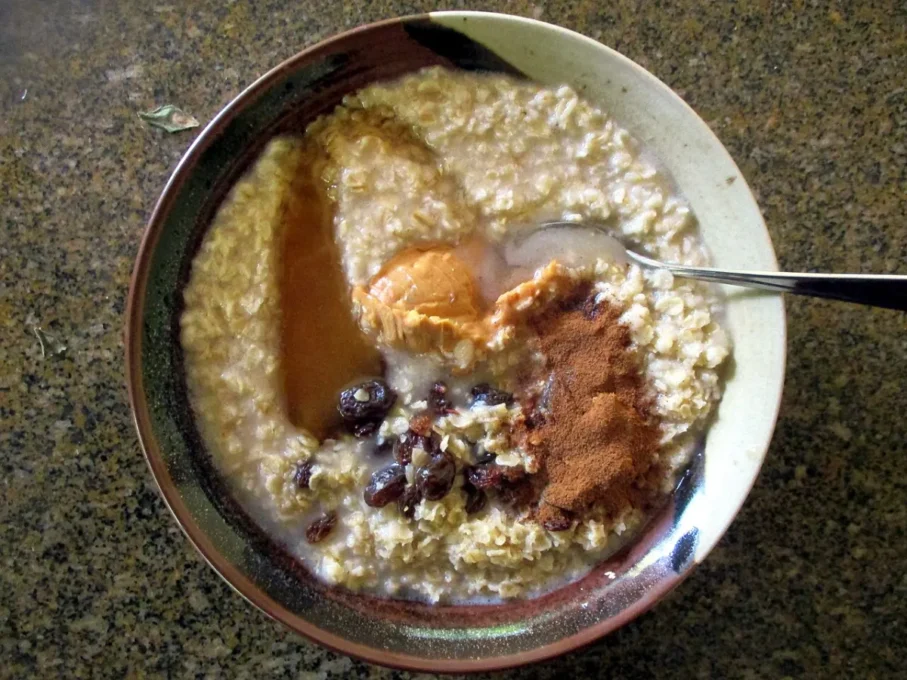
- Stir into plain oatmeal or Greek yogurt instead of sugar or syrup.
- Add to coffee or tea for sweetness without calories.
- Sprinkle on baked apples or pears.
- Use in savory dishes like chili, lentil stew or roasted sweet potatoes.
What matters more for blood sugar
Stronger evidence
The plate method, regular physical activity and a short walk after meals have far stronger evidence. See our guide to foods and spices for healthy blood sugar and our article on apple cider vinegar and blood sugar.
The bottom line
The bottom line on cinnamon and blood sugar: enjoy it as a spice, choose Ceylon if you use a lot, and do not use it in place of medicine. The research on cinnamon and blood sugar is still unclear.
Frequently asked questions
How much cinnamon is safe per day?
A sprinkle in food is safe for most people. If you use more than about a teaspoon a day of cassia cinnamon regularly, switch to Ceylon to limit coumarin.
Can cinnamon replace metformin?
No. Research has not shown cinnamon works like diabetes medicine. Keep taking your prescribed treatment.
Do cinnamon capsules work better than the spice?
There is no clear evidence that capsules work better, and they deliver more coumarin if made from cassia. Ask your doctor before using them.
Your next step
Check your spice cabinet: if your cinnamon is cassia and you use it daily, consider switching to Ceylon, and replace one sugary topping this week with cinnamon.
Common myths about cinnamon and blood sugar
- Myth: Cinnamon can replace diabetes medicine. Fact: NCCIH says it is unclear whether cinnamon helps diabetes at all.
- Myth: All cinnamon is the same. Fact: Cassia contains much more coumarin than Ceylon.
- Myth: More cinnamon is always better. Fact: Large amounts of cassia can stress the liver. Moderate use is the smart approach to cinnamon and blood sugar.
Sources
About the author: Reginaldo Encarnacao is an independent health writer who researches public sources such as the National Institutes of Health (NIH). He is not a doctor, pharmacist or dietitian.
Medical disclaimer: The information on this page is for educational purposes only and is not intended to diagnose, treat, cure or prevent any disease. Statements about dietary supplements have not been evaluated by the Food and Drug Administration. Individual results vary. See our full disclaimer.