
Turmeric and Brain Health: What Curcumin Research Shows
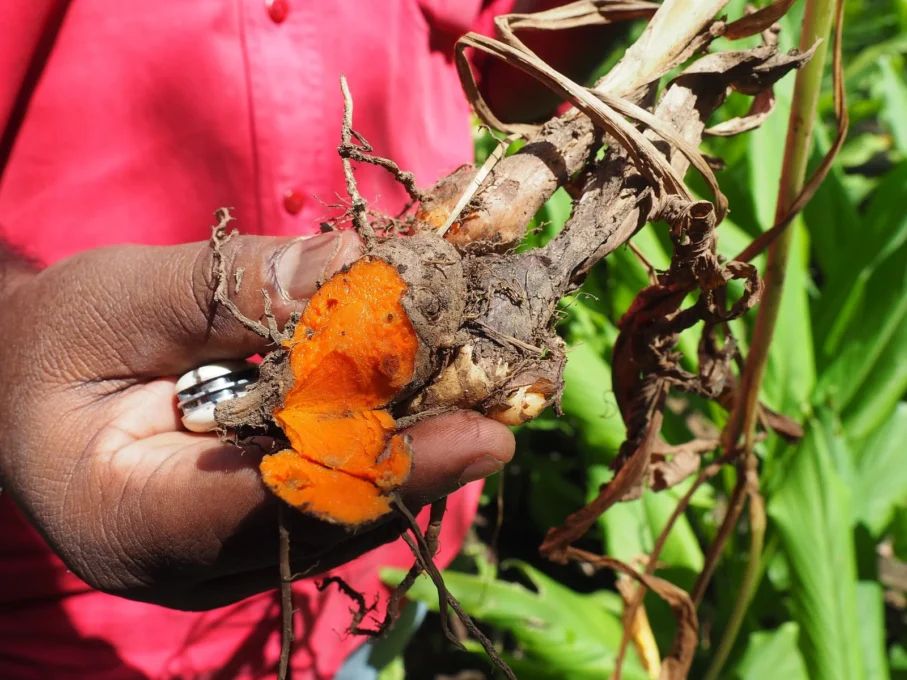
Turmeric and brain health is a topic that has grown fast in the last decade. Turmeric is the golden spice in curry, and its main compound, curcumin, has anti-inflammatory and antioxidant effects in the lab. In people, the evidence for memory is early and mixed.
Health note: This article is for general education only. It is not medical advice and it does not replace care from your doctor. Foods and supplements are not a substitute for prescribed treatment. Talk to a licensed health professional before changing your diet, medicines or supplements, especially if you are pregnant, take prescription drugs or have a chronic condition.
- A small 18-month trial found a bioavailable curcumin improved some memory test scores in older adults.
- Larger, longer studies are needed. No supplement is proven to prevent dementia.
- Turmeric used in cooking is safe for most people and adds flavor without salt.
Turmeric and brain health: what the research shows
Limited evidence
In a double-blind trial from UCLA, 40 adults aged 51 to 84 without dementia took a bioavailable curcumin (90 mg twice daily) or placebo for 18 months. The curcumin group showed better scores on some memory and attention tests. The study was small, so the researchers called for larger trials. Reviews of other studies have found mixed results.
Researchers have also noticed lower rates of Alzheimer’s disease reported in parts of India, where turmeric is common in daily meals. Many other differences in diet and lifestyle could explain that pattern.
Why absorption matters
Plain curcumin is poorly absorbed. Black pepper (piperine), fat and special formulations increase absorption. However, NCCIH notes that the more absorbable products are the ones most often linked to liver problems, which is why supplements need medical guidance.

Easy ways to cook with turmeric
- Add turmeric and black pepper to lentil soup or curry.
- Roast cauliflower with turmeric, cumin and olive oil.
- Stir a pinch into scrambled eggs or rice.
- Make golden milk with warm milk, turmeric, cinnamon and ginger.
Who should avoid turmeric supplements
- People with liver or gallbladder disease
- People taking blood thinners, since curcumin may increase bleeding risk
- People on diabetes medicine, cancer treatment or before surgery, unless their doctor approves
- Pregnant or breastfeeding women
The bottom line
The bottom line on turmeric and brain health: enjoy the spice in your cooking, but be cautious with concentrated pills. Research on turmeric and brain health is promising but early, and proven habits like exercise, sleep and blood pressure control matter more for memory.
Frequently asked questions
Is turmeric good for memory?
One small trial found benefits with a special curcumin formula, but evidence is limited. Turmeric in food is a healthy part of a balanced diet.
How much turmeric is safe to eat?
Amounts used in cooking are considered safe for most people. Supplements are different and should be discussed with a doctor.
Does turmeric interact with medicines?
It may affect blood thinners and some other drugs. Show your pharmacist any supplement before you start it.
Your next step
Cook one turmeric dish this week with black pepper and olive oil, and ask your doctor before trying any curcumin supplement, especially if you take blood thinners.
Related articles
Sources
- Small GW, et al. Memory and brain amyloid and tau effects of a bioavailable form of curcumin in non-demented adults (PubMed)
- NCCIH: Turmeric
- National Institute on Aging: What Do We Know About Diet and Prevention of Alzheimer’s Disease?
About the author: Reginaldo Encarnacao is an independent health writer who researches public sources such as the National Institutes of Health (NIH). He is not a doctor, pharmacist or dietitian.
Medical disclaimer: The information on this page is for educational purposes only and is not intended to diagnose, treat, cure or prevent any disease. Statements about dietary supplements have not been evaluated by the Food and Drug Administration. Individual results vary. See our full disclaimer.