
Beets and Blood Pressure: What Nitrate Research Shows
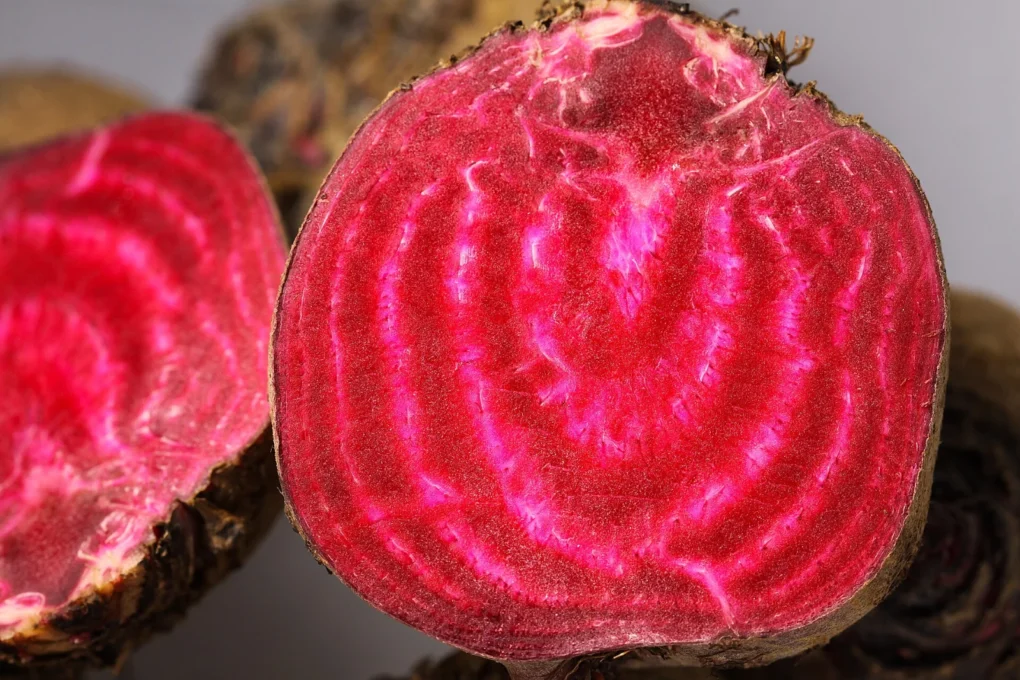
Beets and blood pressure have become a popular pairing in health news. Beets are rich in natural nitrates, which the body turns into nitric oxide, a molecule that helps blood vessels relax. The effect is real but small, and it works best as part of an overall heart-healthy pattern.
Health note: This article is for general education only. It is not medical advice and it does not replace care from your doctor. Foods and supplements are not a substitute for prescribed treatment. Talk to a licensed health professional before changing your diet, medicines or supplements, especially if you are pregnant, take prescription drugs or have a chronic condition.
- A 2013 meta-analysis found nitrate and beetroot juice lowered systolic blood pressure by about 4 mmHg on average.
- Effects tend to last hours, so regular intake matters more than one big glass.
- Leafy greens such as arugula and spinach are also rich in nitrates.
Beets and blood pressure: what the research shows
Mixed evidence
A systematic review and meta-analysis of 16 trials found that inorganic nitrate and beetroot juice lowered systolic blood pressure by about 4.4 mmHg compared with control, with a smaller change in diastolic pressure. Later reviews in people with high blood pressure found similar small benefits. Most studies were short, lasting days to a few weeks.
For context, the DASH eating plan combined with less sodium can lower blood pressure more than that. Beets are a helpful addition, not a replacement.
How nitrates work in your body
When you eat nitrate-rich vegetables, bacteria on your tongue convert nitrate into nitrite. Your body then turns nitrite into nitric oxide, which widens blood vessels. This is why antibacterial mouthwash may blunt the effect in some studies: it reduces those helpful mouth bacteria.
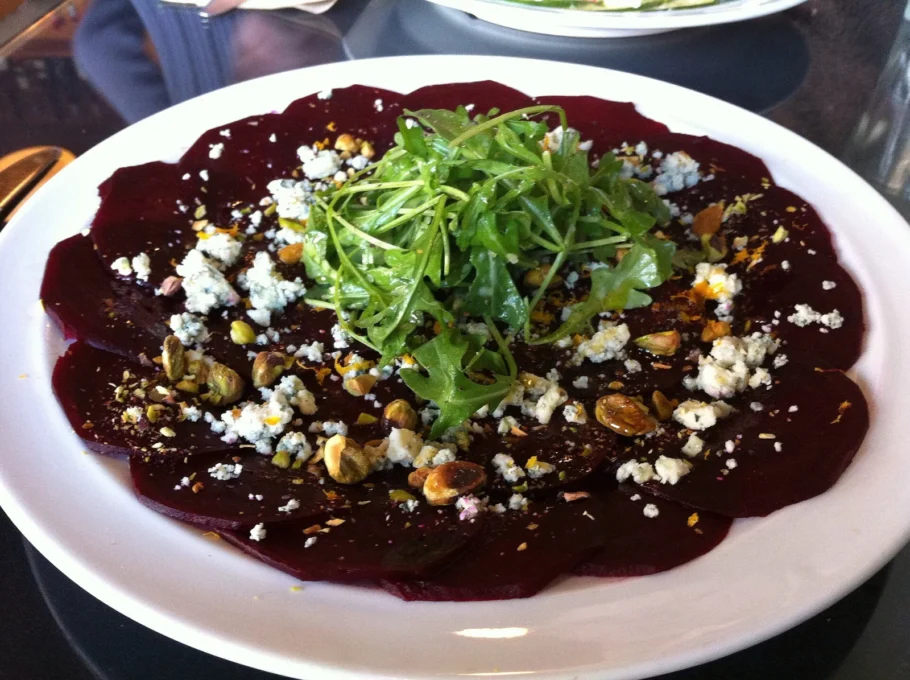
Best food sources of dietary nitrates
- Beets and beet greens
- Arugula (rocket), one of the richest sources
- Spinach, lettuce and Swiss chard
- Celery and radishes
5 smart ways to eat more beets
- Roast beet wedges with olive oil and herbs.
- Add grated raw beets to salads and slaws.
- Blend cooked beets into smoothies with berries.
- Make a beet and arugula salad with walnuts.
- Choose 100% beet juice with no added sugar, in small portions.
Safety notes
- Pink or red urine after eating beets (beeturia) is harmless.
- Beets are high in oxalates, which matters if you have had calcium oxalate kidney stones.
- Beet juice has natural sugar. Count it as part of your fruit and vegetable intake.
The bottom line
The bottom line on beets and blood pressure: enjoy beets and leafy greens often as part of a DASH or Mediterranean pattern. Research on beets and blood pressure shows small, short-term drops, so they work best alongside less sodium, regular activity and any treatment your doctor prescribes. Make beets and blood pressure care a daily habit, not a one-time fix.
Frequently asked questions
How much beet juice was used in studies?
Many studies used about 70 to 250 milliliters (roughly a quarter cup to one cup) of concentrated beet juice. Ask your doctor before starting, especially if you take blood pressure medicine.
Do cooked beets work as well as juice?
Cooked beets still contain nitrates, though boiling can lose some into the water. Roasting or steaming keeps more.
Can beets lower blood pressure too much?
For most people the effect is small. If you take several blood pressure medicines and feel dizzy, check your readings and talk to your doctor.
Your next step
Add one nitrate-rich food a day this week, such as a beet salad or a handful of arugula, and log your home blood pressure readings to share with your doctor.
Related articles
Sources
- Siervo M, et al. Inorganic nitrate and beetroot juice supplementation reduces blood pressure in adults: a systematic review and meta-analysis (PubMed)
- NHLBI: DASH Eating Plan
About the author: Reginaldo Encarnacao is an independent health writer who researches public sources such as the National Institutes of Health (NIH). He is not a doctor, pharmacist or dietitian.
Medical disclaimer: The information on this page is for educational purposes only and is not intended to diagnose, treat, cure or prevent any disease. Statements about dietary supplements have not been evaluated by the Food and Drug Administration. Individual results vary. See our full disclaimer.