
Garlic and Heart Health: What Research Shows and How to Use It
Garlic and heart health have been linked for thousands of years in traditional medicine. Today garlic is one of the most studied herbs for the heart. The effects are real but modest, and the way you use it matters.
Health note: This article is for general education only. It is not medical advice and it does not replace care from your doctor. Foods and supplements are not a substitute for prescribed treatment. Talk to a licensed health professional before changing your diet, medicines or supplements, especially if you are pregnant, take prescription drugs or have a chronic condition.
- Garlic supplements may lower total and LDL cholesterol and blood pressure by a small amount.
- Cooking with garlic is safe for almost everyone and adds flavor without salt.
- Garlic does not replace cholesterol or blood pressure medicine.
Garlic and heart health: what the research shows
Mixed evidence
The National Center for Complementary and Integrative Health (NCCIH) reports that garlic supplements may reduce total and LDL (“bad”) cholesterol to a small extent in people with high cholesterol, and that effects on blood pressure are similarly modest. Studies used different products, such as garlic powder, aged garlic extract and garlic oil, which makes results hard to compare.
Oral garlic has been used safely in studies lasting up to 7 years. The most common side effects are garlic breath, body odor, heartburn and gas.
Why garlic works best in the kitchen
Garlic’s most studied compound, allicin, forms when raw garlic is crushed or chopped. Letting chopped garlic rest for about 10 minutes before cooking may help preserve some of it. More important, garlic helps you cook flavorful meals with less salt, which directly supports healthy blood pressure. It fits perfectly into the DASH and Mediterranean eating patterns.
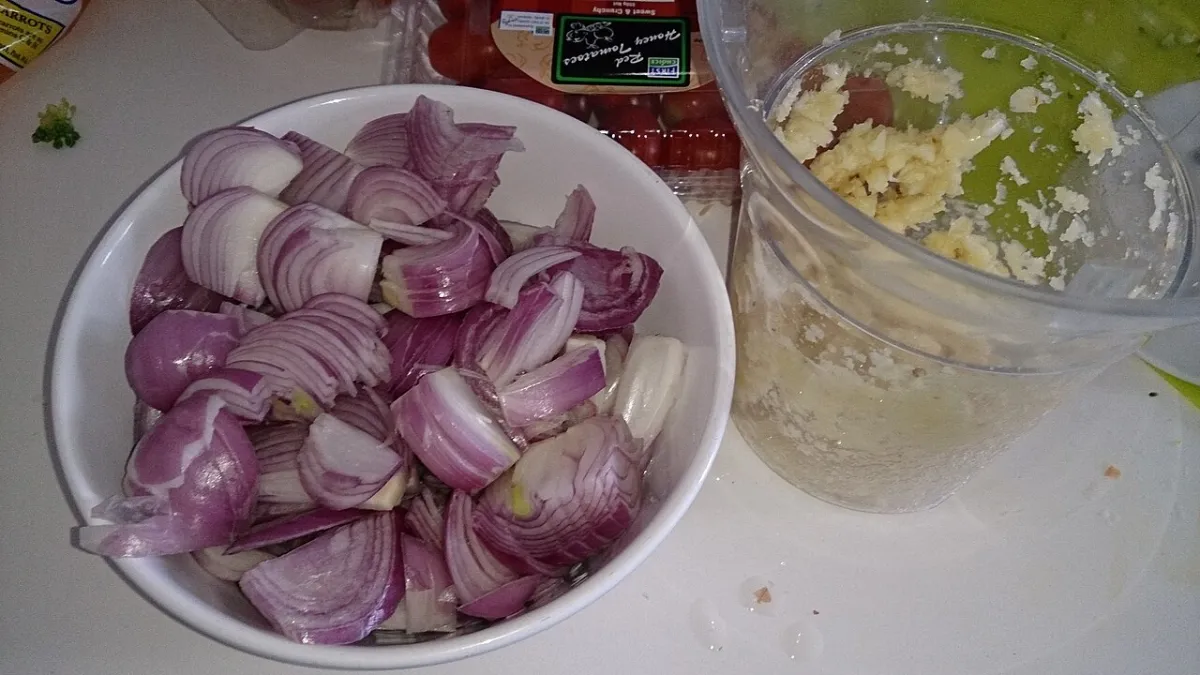
Easy ways to use more garlic
- Sauté garlic in olive oil as the base for vegetables, beans or greens.
- Roast a whole head until soft and spread it on whole grain bread instead of butter.
- Add crushed raw garlic to salad dressings, hummus and salsa.
- Season fish and chicken with garlic, lemon and herbs instead of salt.
Supplements: what to know
Mixed evidence
- Products vary a lot in form and strength. Look for a USP or NSF seal.
- Stop garlic supplements about 7 to 10 days before surgery or dental procedures, unless your doctor says otherwise.
- Garlic may reduce the effectiveness of some HIV medicines.
- Never apply raw garlic to the skin. It can cause chemical burns.
The bigger picture
Garlic is one helper among many. Our guide to heart-healthy foods and herbs and olive oil guide show how to build a full heart-healthy plate.
The bottom line
The bottom line on garlic and heart health: cook with it often, be cautious with supplements, and keep your medicines. When it comes to garlic and heart health, flavor without extra salt may be the biggest benefit of all.
Frequently asked questions
How much garlic should I eat for heart health?
There is no official amount. Studies of food patterns usually involve about one to two cloves a day as part of cooking. Supplements in studies ranged widely in dose, so follow the label and your doctor’s advice.
Is black garlic or aged garlic extract better?
Aged garlic extract has been used in several studies and tends to cause less odor. There is not enough evidence to say one form is clearly better for the heart.
Can garlic replace my blood pressure medicine?
No. The effect of garlic is small. Never stop or reduce prescribed medicine without talking to your doctor.
Your next step
Pick one recipe you make every week and replace some of its salt with fresh garlic, lemon and herbs.
Common myths about garlic and heart health
- Myth: Garlic cleans out clogged arteries. Fact: Studies show only small changes in cholesterol and blood pressure. It does not remove plaque.
- Myth: More garlic pills mean more benefit. Fact: Higher doses mainly raise the risk of side effects and bleeding.
- Myth: Cooked garlic has no value. Fact: Cooked garlic still adds flavor that helps you cut salt, which supports garlic and heart health goals.
Sources
About the author: Reginaldo Encarnacao is an independent health writer who researches public sources such as the National Institutes of Health (NIH). He is not a doctor, pharmacist or dietitian.
Medical disclaimer: The information on this page is for educational purposes only and is not intended to diagnose, treat, cure or prevent any disease. Statements about dietary supplements have not been evaluated by the Food and Drug Administration. Individual results vary. See our full disclaimer.