
Heart-Healthy Foods and Herbs: What the Research Really Shows
Heart-healthy foods can make a real difference over time. No single food “unclogs” arteries or replaces blood pressure medicine, but a steady pattern of the right choices is one of the best tools we have. Here is what research says about the foods and herbs people ask about most.
Health note: This article is for general education only. It is not medical advice and it does not replace care from your doctor. Foods and supplements are not a substitute for prescribed treatment. Talk to a licensed health professional before changing your diet, medicines or supplements, especially if you are pregnant, take prescription drugs or have a chronic condition.
- Eating patterns beat single “superfoods.” The DASH plan has strong research behind it for lowering blood pressure.
- Garlic, cocoa, green tea, olive oil and beets show small, promising effects in studies. They are helpers, not treatments.
- If you take blood thinners or blood pressure medicine, ask your doctor before adding garlic, ginkgo, fish oil or CoQ10 supplements.
Start with the pattern: the DASH way of eating
Stronger evidence
The National Heart, Lung, and Blood Institute (NHLBI) describes DASH as a flexible, balanced eating plan built on vegetables, fruits, whole grains, fish, poultry, beans, nuts and low-fat dairy, with less saturated fat and fewer sugary drinks. Studies show it can lower blood pressure, and the effect is larger when sodium drops from about 2,300 mg to 1,500 mg a day.
Try this: fill half your plate with vegetables at lunch and dinner, swap chips for a handful of unsalted nuts, and check sodium on bread, soups and deli meats. Those three changes cover a big part of the plan.
Cocoa and dark chocolate
Mixed evidence
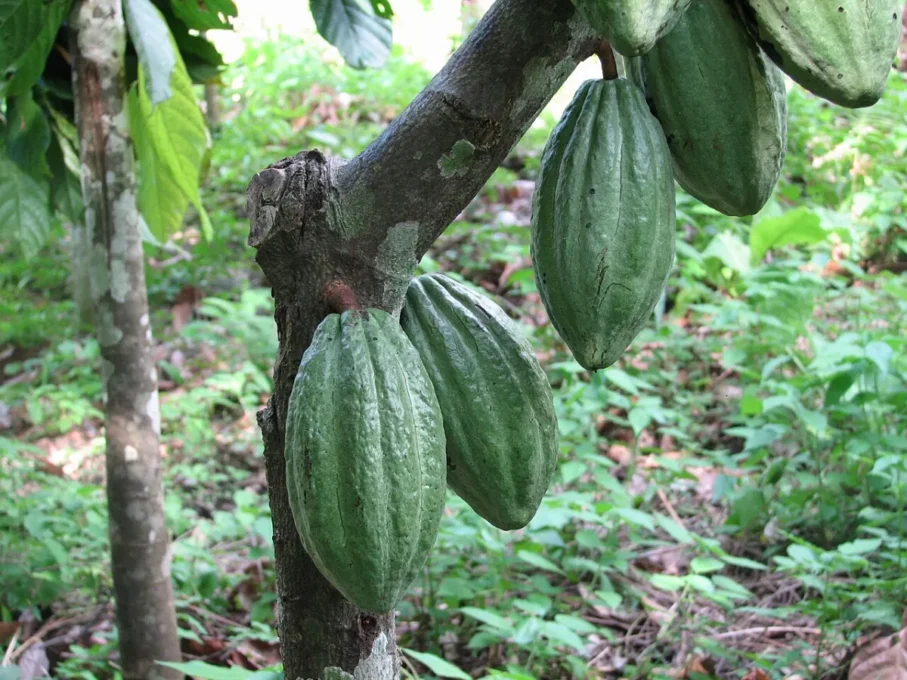
Cocoa beans are rich in plant compounds called flavanols and also supply magnesium. Studies link cocoa flavanols to better blood vessel function, and the large COSMOS trial tested a cocoa flavanol supplement in older adults. It did not significantly reduce total cardiovascular events, so the benefit, if any, looks modest.
How to use it: choose unsweetened cocoa powder in oatmeal or smoothies, or a small square of 70% or darker chocolate. Most chocolate bars bring a lot of sugar and calories, which works against your heart.
Magnesium-rich foods
Mixed evidence
According to the NIH Office of Dietary Supplements, magnesium supplements may lower blood pressure by a small amount, and people who eat more magnesium tend to have a lower risk of heart disease and stroke. Adults need about 310 to 420 mg a day depending on age and sex. Good sources are spinach, pumpkin seeds, almonds, black beans, whole grains and cocoa.
The upper limit from supplements is 350 mg a day for adults. Higher amounts can cause diarrhea, and people with kidney problems should not take magnesium supplements without medical advice.
Garlic
Mixed evidence
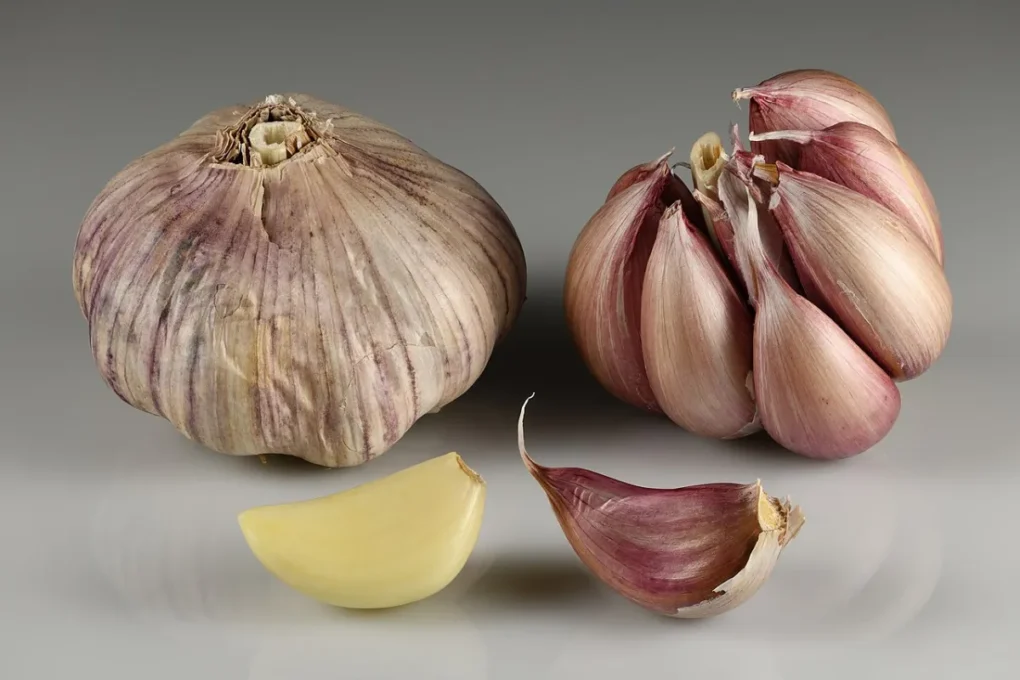
The National Center for Complementary and Integrative Health (NCCIH) reports that garlic supplements may reduce total and LDL cholesterol “to a small extent” in people with high cholesterol, with similarly modest effects on blood pressure. Oral garlic has been used safely in studies lasting up to seven years.
Safety first: garlic supplements may increase bleeding risk, which matters if you take warfarin, aspirin or other blood thinners, or have surgery coming up. Cooking with garlic is a safe way to enjoy it every day.
Green tea
Mixed evidence
Green tea comes from the leaves of Camellia sinensis. NCCIH notes it slightly lowered total and LDL cholesterol in studies, and a lower risk of cardiovascular disease was seen mainly in Asian populations. Brewed tea is generally safe. Concentrated green tea extract pills have been linked to rare cases of liver injury, so the cup is a better choice than the capsule.
Olive oil: one of the best heart-healthy foods
Stronger evidence
Extra virgin olive oil is a pillar of the Mediterranean diet, one of the most studied eating patterns for heart health. It is rich in monounsaturated fat and natural antioxidants. Use it for salads, roasted vegetables and everyday cooking in place of butter or shortening.
Omega-3 fats from fish
Stronger evidence
The NIH says that getting more EPA and DHA from food or supplements lowers triglyceride levels. The American Heart Association suggests one to two servings of seafood a week, such as salmon, sardines, mackerel or herring. For people who already have heart disease, the AHA recommends about 1 gram a day of EPA plus DHA, ideally with a doctor’s guidance. Plant sources such as walnuts, flaxseed, chia and the leafy green purslane provide ALA, a different omega-3.

Beets and leafy greens (dietary nitrates)
Mixed evidence
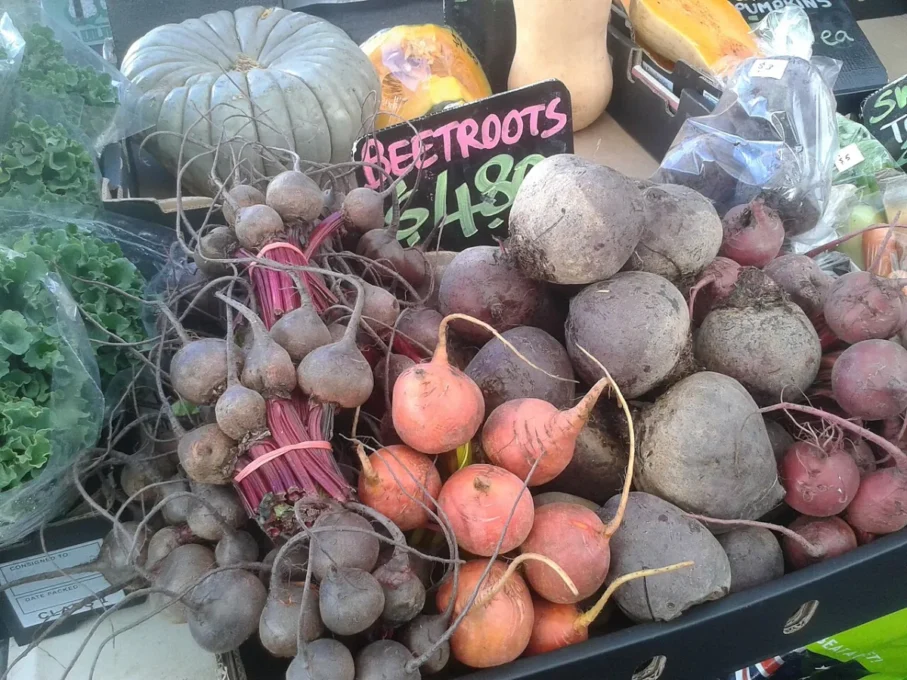
Beets, arugula, spinach and celery are rich in natural nitrates. Your body turns nitrates into nitric oxide, a molecule that helps blood vessels relax. Small studies show beet juice can lower blood pressure for a few hours, but it does not replace medicine or any procedure your cardiologist recommends. If you have kidney stones, ask your doctor, since beets are high in oxalates.
Coffee in moderation
Mixed evidence
Large observational studies link moderate coffee drinking (about 2 to 3 cups a day) with a lower risk of heart disease. Moderation is the key word. Too much caffeine can raise heart rate, worsen anxiety and disturb sleep. If you have an irregular heartbeat, ask your doctor what amount is right for you.
What about CoQ10 and vitamin K2?
These two supplements get a lot of attention online. NCCIH says the evidence for CoQ10 in heart failure is inconclusive and that it probably has no meaningful effect on blood pressure. CoQ10 may also interact with warfarin. Vitamin K2, found in natto (fermented soybeans) and some cheeses, is being studied for arterial calcium, but human evidence is still limited. Vitamin K of any kind interferes with warfarin, so never add it without talking to your doctor. Limited evidence
Your 7-day heart plan
- Day 1: read sodium labels on five foods you buy often.
- Day 2: cook dinner with olive oil and plenty of garlic.
- Day 3: eat fatty fish such as salmon or sardines.
- Day 4: add a beet and arugula salad.
- Day 5: replace one sugary drink with green tea or water.
- Day 6: snack on almonds or pumpkin seeds.
- Day 7: walk 30 minutes and check your blood pressure at home or at a pharmacy.
The bottom line
The bottom line on heart-healthy foods: there is no single superfood. The best heart-healthy foods are the ones you enjoy and eat often, such as vegetables, beans, fish, nuts and olive oil. Build your meals around heart-healthy foods, keep sodium low, and combine them with regular activity and the treatment plan from your doctor. Small, steady swaps toward heart-healthy foods add up over months and years.
Frequently asked questions
What are the best heart-healthy foods to eat every day?
Vegetables, fruits, beans, whole grains, nuts, olive oil and fatty fish form the core of heart-healthy eating. Build most meals around these foods and keep sodium and added sugar low.
Can heart-healthy foods lower my blood pressure?
Eating patterns such as DASH can lower blood pressure, especially when you also cut sodium. Keep taking any medicine your doctor prescribes.
Are supplements as good as heart-healthy foods?
Usually not. Foods deliver fiber, vitamins and many plant compounds together. Supplements such as fish oil or garlic have small or specific effects and can interact with medicines.
Related articles
- Beets and Blood Pressure
- Olive Oil and Heart Health: How to Choose It and Use It
- Garlic and Heart Health: What Research Shows
- Magnesium Guide: Best Foods, Types and Safe Doses
Sources
- NHLBI: DASH Eating Plan
- NCCIH: Garlic
- NCCIH: Green Tea
- NIH Office of Dietary Supplements: Omega-3 Fatty Acids
- NIH Office of Dietary Supplements: Magnesium
- NCCIH: Coenzyme Q10
About the author: Reginaldo Encarnacao is an independent health writer who researches public sources such as the National Institutes of Health (NIH). He is not a doctor, pharmacist or dietitian.
Medical disclaimer: The information on this page is for educational purposes only and is not intended to diagnose, treat, cure or prevent any disease. Statements about dietary supplements have not been evaluated by the Food and Drug Administration. Individual results vary. See our full disclaimer.