
Natural Energy and Vitality: Herbs, Sleep and Gut Health Explained
Natural energy starts with the basics. Feeling tired all the time is common, but it is not something you have to accept. Energy comes from a mix of sleep, food, movement, stress and health conditions. Herbs can play a small supporting role. Here is what research says about the most popular ones.
Health note: This article is for general education only. It is not medical advice and it does not replace care from your doctor. Foods and supplements are not a substitute for prescribed treatment. Talk to a licensed health professional before changing your diet, medicines or supplements, especially if you are pregnant, take prescription drugs or have a chronic condition.
Check the basics first: ongoing fatigue can signal anemia, thyroid problems, low vitamin B12 or D, sleep apnea, depression or diabetes. A checkup and simple blood tests can find causes that no herb will fix.
- Sleep, daylight, movement and protein-rich meals are the foundation of steady energy.
- Asian ginseng and ashwagandha have the most research among “energy” herbs, with small effects.
- Herbs can interact with prescription drugs. St. John’s wort is the most important example.
Sleep: your number one source of natural energy
Stronger evidence
Adults need 7 to 9 hours of sleep. Keep the same wake time every day, get morning daylight, and stop caffeine about 8 hours before bed. Loud snoring with daytime sleepiness can be sleep apnea, which needs medical care.
Valerian
Limited evidence
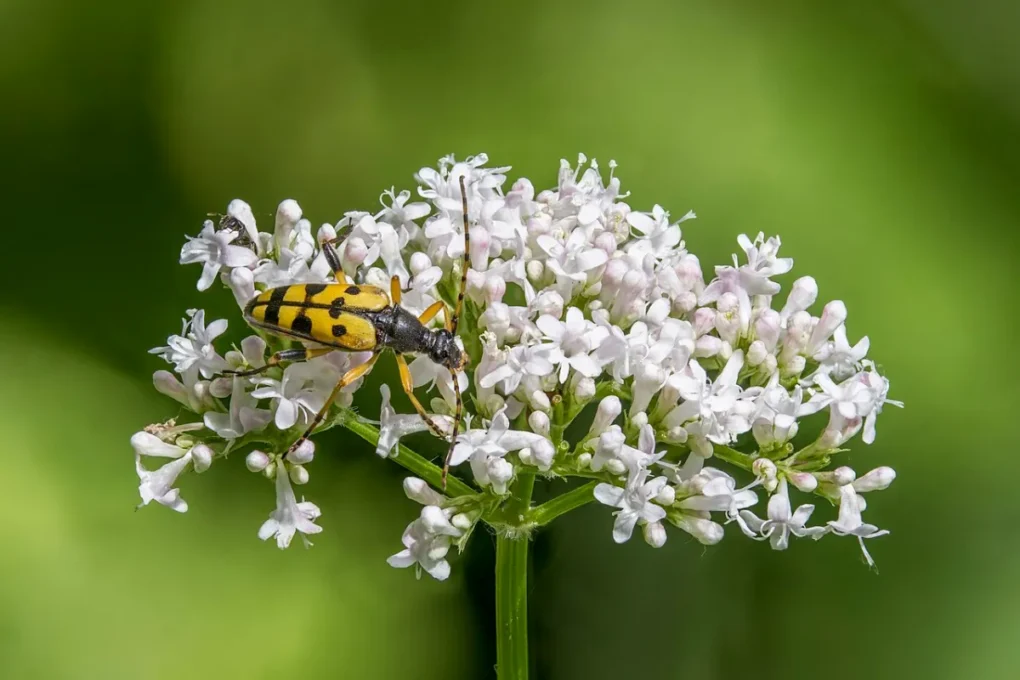
Valerian root has been used for sleep since ancient Greece and Rome. Studies are inconsistent: some show people fall asleep a little faster, others show no difference. It may cause headache or morning grogginess, and it should not be combined with alcohol or sleep medicines. Some people also try it for restless legs, though evidence there is very limited.
Tart cherries and melatonin
Limited evidence
Tart cherries naturally contain melatonin, the hormone that signals night to your body. Small studies of tart cherry juice suggest slightly longer sleep. Melatonin supplements are sold over the counter in the US and can help with jet lag. Use the lowest dose that works and ask your doctor if you take other medicines.
Asian ginseng
Mixed evidence
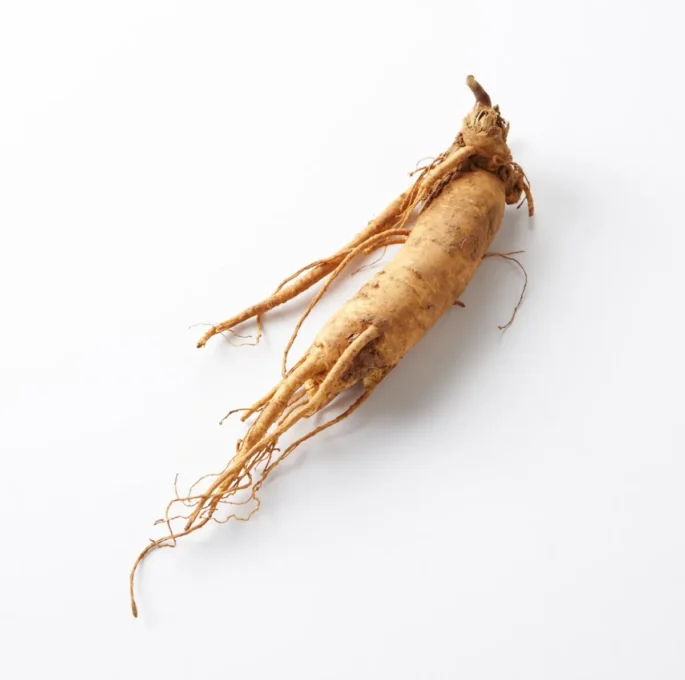
Asian ginseng (Panax ginseng) is a root used in traditional Korean and Chinese medicine. NCCIH notes that a 2023 review found it may have a small beneficial effect on general fatigue, and some studies suggest it improves sexual function in men with erectile dysfunction. Short-term use up to 6 months appears safe for most adults. The most common side effect is trouble sleeping. It may lower blood sugar and interact with medicines, and it is not recommended during pregnancy.
Ashwagandha
Mixed evidence
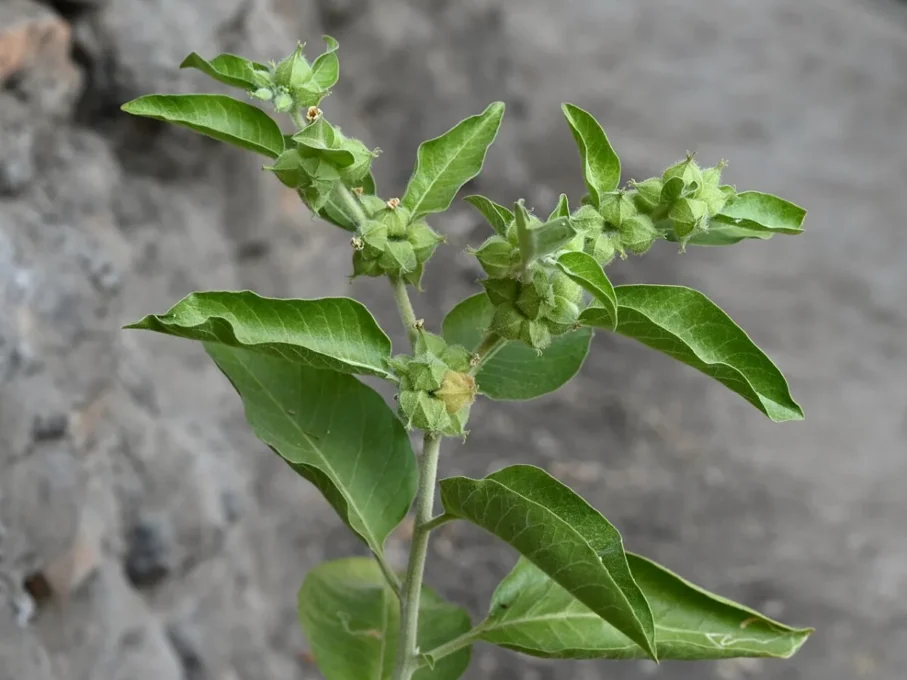
Ashwagandha (Withania somnifera) is an herb from Ayurvedic medicine. According to the NIH, people who took it for 6 to 8 weeks reported less stress, anxiety and fatigue, and some fell asleep faster. Doses of about 500 to 600 mg a day were studied most. It is not clear whether it is safe for long-term use, and it may affect the thyroid and, rarely, the liver.
Rhodiola
Limited evidence
Rhodiola rosea, a plant with yellow flowers from cold mountain regions, is sold as an “adaptogen” for stress-related fatigue. A few small studies suggest benefits for mental fatigue, but the overall quality of research is low.
Goji berries
Limited evidence
Goji berries from the Himalayan region are rich in vitamin C, vitamin A and antioxidants. They make a tasty addition to oatmeal. There is no strong human evidence that they boost immunity beyond what other fruits provide. Goji may interact with the blood thinner warfarin.
Gut health and probiotics
Mixed evidence
Your gut is home to trillions of bacteria that help with digestion and immunity. Fermented foods such as yogurt, kefir, sauerkraut and kimchi add live bacteria, and fiber from vegetables, beans and whole grains feeds them. Probiotic supplements have evidence for specific uses, such as reducing diarrhea from antibiotics. People with weakened immune systems should talk to their doctor before taking them.
Mood: St. John’s wort needs a warning
Mixed evidence
St. John’s wort (Hypericum perforatum) has been studied for mild to moderate depression with mixed results. It interacts with many medicines, including antidepressants, birth control pills, blood thinners, heart drugs and HIV medicines, and can make them less effective or cause dangerous reactions. Never use it in place of prescribed treatment. If you feel depressed, please talk to a doctor.
Energy nutrients: CoQ10 and omega-3
CoQ10 helps cells make energy. NCCIH says evidence does not support it for statin-related muscle pain, and it may interact with warfarin. Omega-3 fats from fish support heart health and are being studied for mood. Both are best discussed with your doctor before supplementing. Limited evidence
Comfort for aches: olive oil and warm spices
Limited evidence
Extra virgin olive oil contains oleocanthal, a natural compound with a mild anti-inflammatory action similar in type (not strength) to ibuprofen. Using olive oil daily is healthy, but it does not replace pain medicine. For headaches, ginkgo is sometimes promoted, though evidence is limited and it may increase bleeding risk.
Eyes: color on your plate
Stronger evidence
Leafy greens such as kale and spinach supply lutein and zeaxanthin, pigments concentrated in the retina. The large AREDS2 study found a specific formula of vitamins C and E, zinc, copper, lutein and zeaxanthin slowed progression in people with intermediate age-related macular degeneration. It is meant for that group, so ask an eye doctor before taking it.
Your 5-step energy reset
- Wake at the same time every day for two weeks.
- Get 10 minutes of outdoor light before 10 a.m.
- Eat protein at breakfast (eggs, Greek yogurt or beans).
- Walk 20 minutes after lunch.
- Schedule a checkup with blood tests if fatigue lasts more than a few weeks.
The bottom line
The bottom line on natural energy: steady sleep, morning light, regular meals and movement come first. Herbs may add a small boost, but lasting natural energy comes from daily habits. If natural energy stays low despite good habits, ask your doctor for a checkup.
Frequently asked questions
What is the fastest way to get natural energy?
A short walk outdoors, a glass of water and a protein-rich snack often help within minutes. For lasting natural energy, focus on consistent sleep.
Is caffeine a natural energy source?
Caffeine is natural, but too much, or too late in the day, harms sleep and leads to more fatigue. Most adults do well with moderate amounts in the morning.
When is low energy a sign of a health problem?
If fatigue lasts more than a few weeks, comes with weight change, shortness of breath or low mood, see a doctor. Anemia and thyroid problems are common causes.
Related articles
- Ashwagandha for Stress and Sleep
- Natural Sleep Aids Compared
- Probiotics and Fermented Foods
- Vitamin D Guide
Sources
- NCCIH: Asian Ginseng
- NIH Office of Dietary Supplements: Ashwagandha
- NCCIH: Coenzyme Q10
- NCCIH: Ginkgo
- NIH Office of Dietary Supplements: Vitamin D
- NIH Office of Dietary Supplements: Omega-3 Fatty Acids
About the author: Reginaldo Encarnacao is an independent health writer who researches public sources such as the National Institutes of Health (NIH). He is not a doctor, pharmacist or dietitian.
Medical disclaimer: The information on this page is for educational purposes only and is not intended to diagnose, treat, cure or prevent any disease. Statements about dietary supplements have not been evaluated by the Food and Drug Administration. Individual results vary. See our full disclaimer.