
Brain-Healthy Eating: Foods and Habits Studied for Memory as You Age
Brain-healthy foods and daily habits work together. Forgetting where you left your keys is normal, and so is worrying about memory as you get older. The good news: the same habits that protect your heart also appear to protect your brain. Here is an honest look at what researchers are studying.
Health note: This article is for general education only. It is not medical advice and it does not replace care from your doctor. Foods and supplements are not a substitute for prescribed treatment. Talk to a licensed health professional before changing your diet, medicines or supplements, especially if you are pregnant, take prescription drugs or have a chronic condition.
Important: No food, herb or supplement has been proven to prevent, reverse or cure Alzheimer’s disease or other dementias. If you notice memory changes that affect daily life, see a doctor. Some causes of memory problems, such as low vitamin B12, thyroid issues or medication side effects, can be treated.
- Mediterranean-style and MIND eating patterns are linked to healthier brain aging in observational studies.
- Fish, leafy greens, berries, nuts and olive oil are the core foods.
- Control blood pressure and blood sugar, move every day and sleep well. These habits matter as much as any single food.
The MIND diet: a pattern built for the brain
Mixed evidence
The MIND diet blends the Mediterranean and DASH diets. It emphasizes leafy greens, other vegetables, berries, nuts, beans, whole grains, fish, poultry and olive oil, and limits butter, cheese, red meat, fried food and sweets. The National Institute on Aging (NIA) explains that some observational studies link these patterns to slower cognitive decline, while clinical trials have produced mixed results. That means it is a smart, low-risk way to eat, not a guaranteed shield.
Fatty fish and DHA
Mixed evidence
About 60% of the brain is fat, and DHA is one of its main building blocks. The NIH notes that some, but not all, research shows people who eat more fish have a lower risk of Alzheimer’s disease and cognitive problems. Supplement trials have been less convincing. The practical move: eat salmon, sardines, trout or herring about twice a week.
Berries and colorful produce
Limited evidence
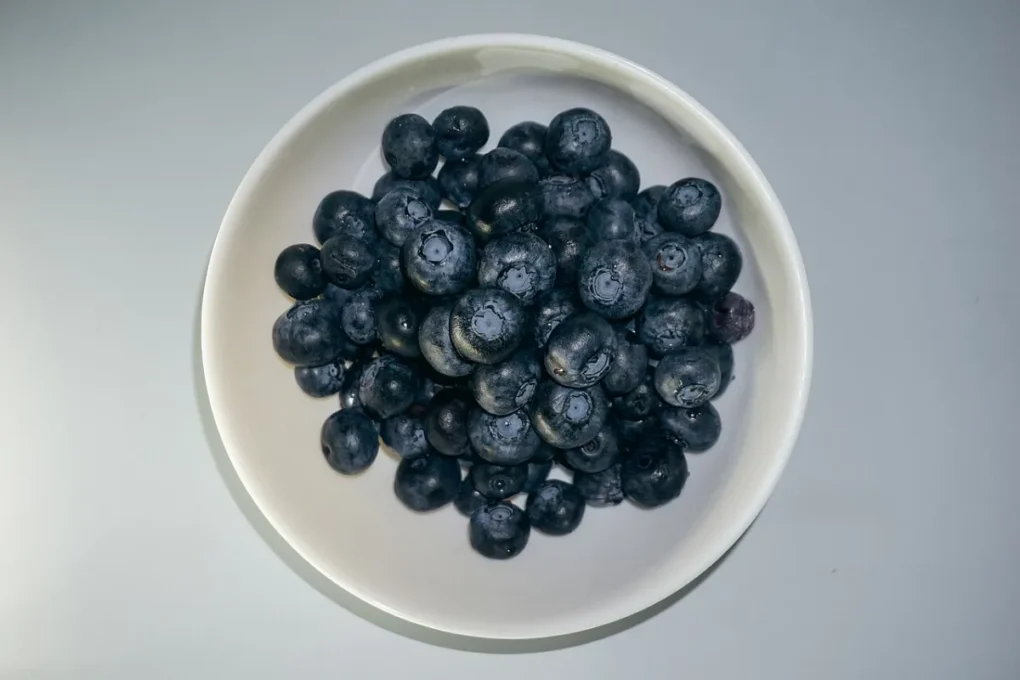
Blueberries and strawberries are rich in flavonoids, plant pigments studied for their antioxidant effects. Observational research has linked regular berry intake to slower memory decline in older women. Fresh or frozen both count, so keep a bag of frozen berries for oatmeal and yogurt.
Walnuts and other nuts: easy brain-healthy foods
Limited evidence
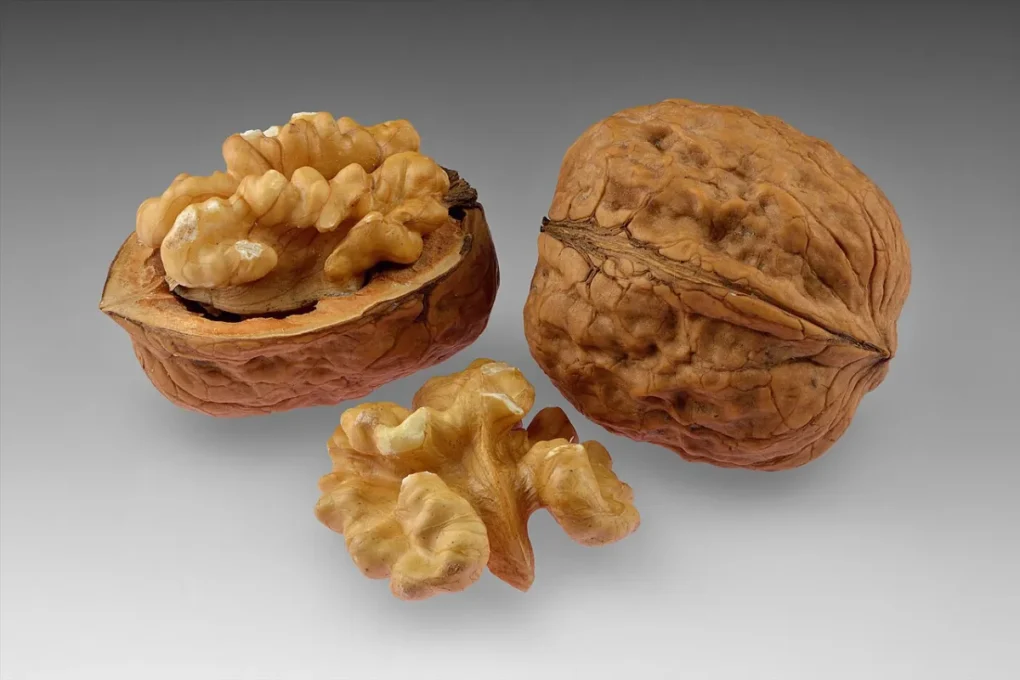
Walnuts supply ALA omega-3, vitamin E and polyphenols. A small handful (about 1 ounce) most days fits both the MIND and DASH patterns.
Turmeric and curry spices
Limited evidence
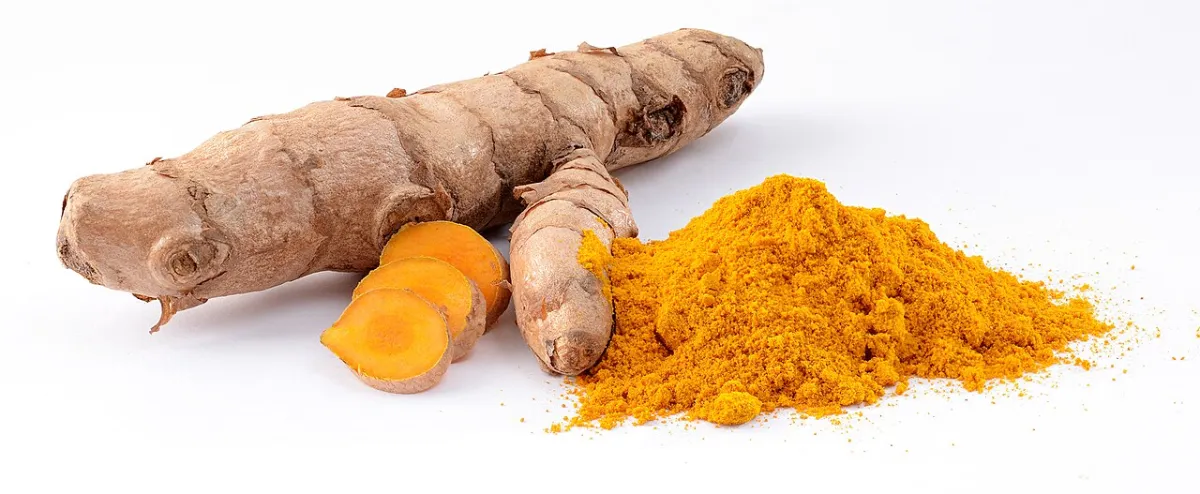
Researchers have noticed that older adults in India, where turmeric is part of daily cooking, have lower reported rates of Alzheimer’s disease. Diet is only one of many differences between populations, so this does not prove turmeric protects memory. Using turmeric in food is safe. Concentrated curcumin supplements are another story: NCCIH warns they have been linked to liver injury, and you should stop them right away if you notice fatigue, nausea, dark urine or yellow skin.
Cinnamon and everyday spices
Limited evidence
Cinnamon adds flavor without sugar and supplies manganese. Brain effects in people are not established. Use it as a spice, not as medicine.
Vitamins that matter when you are low
Vitamin B12
B12 deficiency can cause memory problems, confusion and tingling in the hands and feet. The NIH notes that many adults over 50 absorb less B12 from food, and the diabetes drug metformin can lower B12 levels. Ask your doctor for a simple blood test. If you are not deficient, research shows extra B12 does not appear to change the risk of cognitive decline. Stronger evidence
Vitamin D
Vitamin D supports bones and muscles, which helps prevent falls. Adults 19 to 70 need 600 IU a day and adults over 70 need 800 IU, with an upper limit of 4,000 IU unless your doctor advises more. Its role in memory is still being studied. Mixed evidence
Magnesium
Magnesium helps nerve cells send signals. Leafy greens, beans, nuts, seeds and whole grains are good sources. Supplements for memory have limited human evidence. Limited evidence
What about coconut oil and ginkgo?
Coconut oil and MCT oil are popular online for memory, based on the idea that the brain can burn ketones. Controlled human evidence is limited, and coconut oil is high in saturated fat. Ginkgo was tested in the large Ginkgo Evaluation of Memory study with more than 3,000 older adults, and it did not lower the rate of dementia or Alzheimer’s disease. Ginkgo may also raise bleeding risk with blood thinners. Limited evidence
Five daily habits that support your brain
Stronger evidence
- Move: aim for 150 minutes of brisk walking or similar activity per week.
- Protect your blood vessels: keep blood pressure and blood sugar in the range your doctor sets.
- Sleep: 7 to 9 hours. Ask about sleep apnea if you snore loudly.
- Stay social and keep learning: a class, a hobby or volunteering all count.
- Check your hearing: untreated hearing loss is linked to faster cognitive decline.
Simple memory tricks that work today
- Pick one “home” for keys, wallet and glasses and always put them there.
- Say new names out loud and repeat them once in the conversation.
- Use a phone reminder or a paper list instead of trusting memory for appointments and pills.
The bottom line
The bottom line on brain-healthy foods: consistency beats any single ingredient. Fill your plate with brain-healthy foods like leafy greens, berries, nuts and fish most days, and pair them with movement, sleep and social time.
Frequently asked questions
What are the top brain-healthy foods?
Leafy greens, berries, nuts, beans, whole grains, olive oil and fatty fish are the core of the MIND diet, the eating pattern most studied for brain aging.
How fast do brain-healthy foods work?
Studies look at eating patterns over years, not days. Think of brain-healthy foods as a long-term habit rather than a quick fix.
Can brain-healthy foods prevent Alzheimer’s disease?
No food has been proven to prevent Alzheimer’s. Healthy eating, exercise, blood pressure control and good sleep may lower overall risk.
Related articles
- Turmeric and Brain Health
- Omega-3s and Brain Health: Fish vs. Fish Oil Pills
- Vitamin B12 and Memory: Signs of Low B12
- Natural Sleep Aids Compared
Sources
- National Institute on Aging: What Do We Know About Diet and Prevention of Alzheimer’s Disease?
- NIH Office of Dietary Supplements: Omega-3 Fatty Acids
- NIH Office of Dietary Supplements: Vitamin B12
- NIH Office of Dietary Supplements: Vitamin D
- NCCIH: Ginkgo
- NCCIH: Turmeric
- NIH Office of Dietary Supplements: Magnesium
About the author: Reginaldo Encarnacao is an independent health writer who researches public sources such as the National Institutes of Health (NIH). He is not a doctor, pharmacist or dietitian.
Medical disclaimer: The information on this page is for educational purposes only and is not intended to diagnose, treat, cure or prevent any disease. Statements about dietary supplements have not been evaluated by the Food and Drug Administration. Individual results vary. See our full disclaimer.