
Nutrition and Cancer Risk: What Food Can and Cannot Do
Nutrition and cancer risk are linked, but not the way viral headlines suggest. Claims that a fruit or spice “kills cancer cells” usually describe lab dishes or animals, not people. Food cannot treat cancer. What a healthy diet can do is lower your overall risk over time, together with other habits that science clearly supports.
Health note: This article is for general education only. It is not medical advice and it does not replace care from your doctor. Foods and supplements are not a substitute for prescribed treatment. Talk to a licensed health professional before changing your diet, medicines or supplements, especially if you are pregnant, take prescription drugs or have a chronic condition.
- The biggest proven factors are not smoking, limiting alcohol, staying active, keeping a healthy weight and protecting your skin from the sun.
- Vegetables, fruits, whole grains and beans are linked to lower risk of some cancers.
- Recommended screenings (colon, breast, cervical, lung for eligible people) save lives. Ask your doctor which ones you need.
Nutrition and cancer risk: what the National Cancer Institute says matters most
Stronger evidence
- Tobacco: strongly linked to many kinds of cancer. Quitting at any age helps.
- Body weight: obesity is linked to higher risk of breast, colorectal, endometrial and other cancers.
- Alcohol: linked to higher risk of mouth, esophageal, breast and other cancers.
- Physical activity: active people have a lower risk of several cancers.
- Sun: UV light is the main cause of nonmelanoma skin cancers.
- Diet: what you eat regularly may raise or lower risk, though study results vary.
Cruciferous vegetables
Mixed evidence
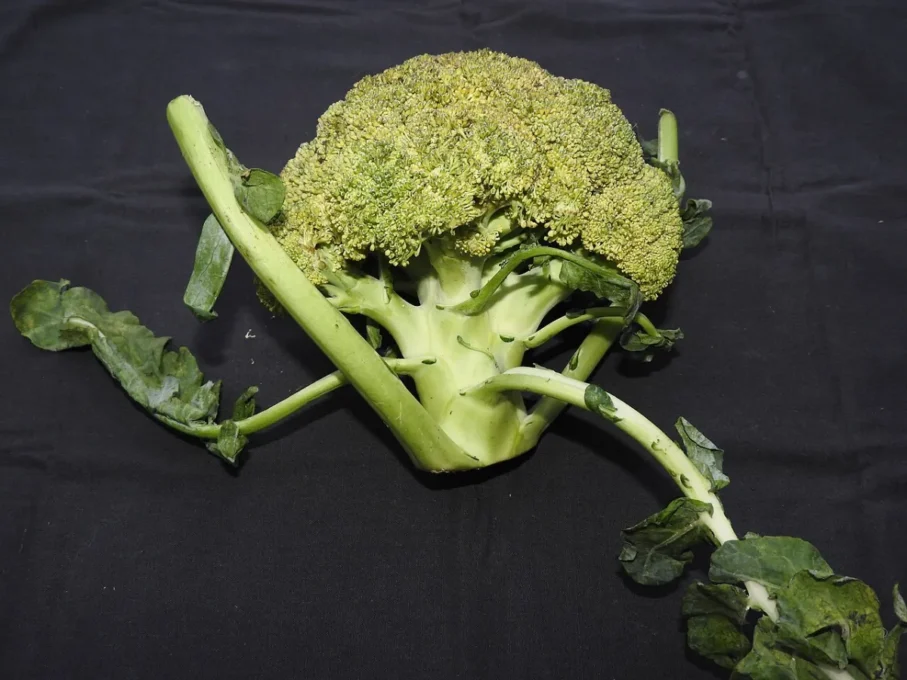
Broccoli, Brussels sprouts, cabbage, cauliflower and kale contain glucosinolates. When you chop and chew them, these break down into compounds such as sulforaphane and indole-3-carbinol (which the body converts to DIM). The NCI explains that these compounds protect cells from DNA damage in lab and animal studies, but human studies have given mixed results. Eat them because they are high in fiber and nutrients, not as medicine.
Tip: chop broccoli and let it rest for a few minutes before cooking, and prefer light steaming over boiling.
Garlic and onions
Limited evidence
Garlic contains sulfur compounds such as allicin, which forms when raw garlic is crushed. Some population studies link higher garlic and onion intake with lower risk of stomach and colorectal cancers, but the evidence is not strong enough for firm conclusions. Garlic supplements can increase bleeding risk, which matters before surgery.
Ginger
Limited evidence
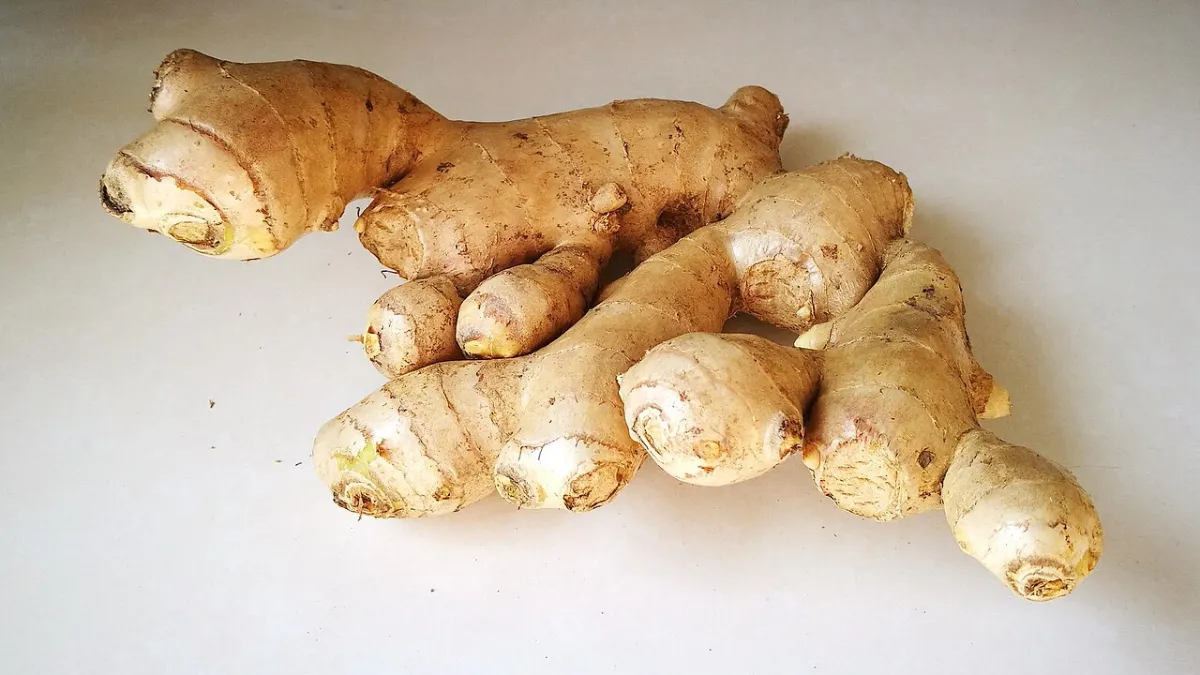
Ginger compounds slow cancer cell growth in lab studies, but there are no human studies showing ginger prevents or treats cancer. Where ginger does have useful evidence is nausea. Many patients use ginger tea or candies to ease treatment-related nausea, with their doctor’s approval.
Berries, grapes and resveratrol
Limited evidence
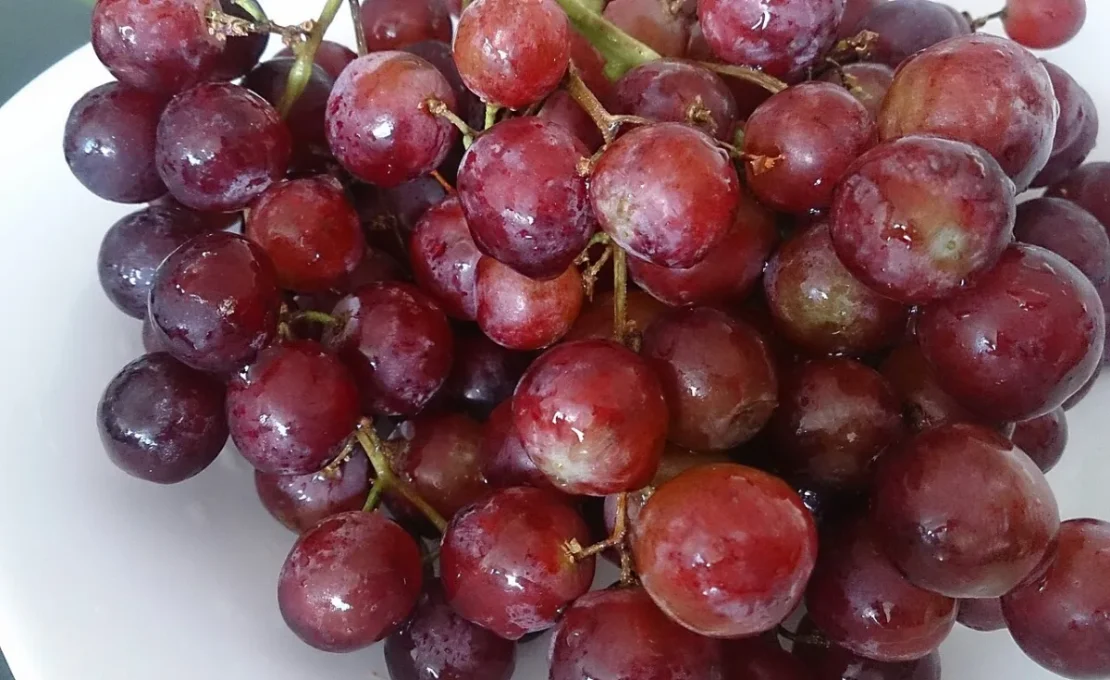
Blueberries, blackberries and red grapes are rich in antioxidants. Resveratrol, found mainly in grape skins, gets a lot of attention from lab research, but human data are limited, and the amount in food is small. Eat the whole fruit, skins included. Red wine is not a health food: alcohol raises the risk of several cancers.
Green tea
Mixed evidence
NCCIH says studies on green tea and cancer risk have been inconsistent. Brewed tea is a healthy drink. Concentrated green tea extract pills have been linked to rare liver injury.
Turmeric
Limited evidence
Curcumin, the main compound in turmeric, is widely studied in labs. Human evidence for cancer prevention is lacking, and bioavailable curcumin supplements have been linked to liver injury. Enjoy turmeric in curries and golden milk.
Beets and colorful vegetables
Limited evidence
Beets, carrots, red peppers and leafy greens supply antioxidants and fiber. Aim for at least 2 to 3 cups of vegetables and 1.5 to 2 cups of fruit a day, the amounts suggested by the Dietary Guidelines for Americans.
What about sugar and “starving cancer”?
All cells, healthy or not, use glucose. Cutting sugar does not starve a tumor, and very restrictive diets can cause dangerous weight loss during treatment. What does help: limiting sugary drinks and processed meats and keeping a healthy weight, since obesity is a proven risk factor. Anyone in treatment should work with an oncology dietitian.
A cancer-smart grocery list
- Broccoli, cabbage, kale or cauliflower
- Tomatoes, carrots, red peppers and beets
- Berries and red grapes (fresh or frozen)
- Beans, lentils and whole grains for fiber
- Garlic, onions, ginger and turmeric for flavor
- Fish or poultry instead of processed meats
Your next step
Ask your doctor which cancer screenings you are due for this year, then add one extra serving of vegetables to your day starting today.
The bottom line
The bottom line on nutrition and cancer risk: food works best as part of a whole healthy lifestyle. When it comes to nutrition and cancer risk, plant-rich meals, less processed meat and less alcohol matter more than any single superfood. Keep up with screenings, stay active, and talk to your doctor about your personal nutrition and cancer risk, especially if cancer runs in your family. Good nutrition and cancer risk reduction go together over many years, not days.
Frequently asked questions
Which foods have the best evidence on nutrition and cancer risk?
Diets rich in vegetables, fruits, whole grains and fiber are linked to lower risk of some cancers, while processed meat and alcohol are linked to higher risk.
Do antioxidant supplements lower cancer risk?
Large trials of antioxidant pills have not shown protection, and some raised risk in certain groups. Food sources are the better choice.
Is sugar a direct cause of cancer?
Sugar does not directly cause cancer, but too much added sugar can lead to weight gain, and obesity is a known risk factor.
Related articles
- Berries and Cancer Prevention
- Cruciferous Vegetables: How to Get the Most Benefit
- Green Tea and Cancer Risk
- Garlic and Heart Health
Sources
- National Cancer Institute: Cancer Prevention Overview (PDQ)
- National Cancer Institute: Cruciferous Vegetables and Cancer Prevention
- NCCIH: Garlic
- NCCIH: Green Tea
- NCCIH: Turmeric
About the author: Reginaldo Encarnacao is an independent health writer who researches public sources such as the National Institutes of Health (NIH). He is not a doctor, pharmacist or dietitian.
Medical disclaimer: The information on this page is for educational purposes only and is not intended to diagnose, treat, cure or prevent any disease. Statements about dietary supplements have not been evaluated by the Food and Drug Administration. Individual results vary. See our full disclaimer.