
Apple Cider Vinegar and Blood Sugar: What Studies Show and How to Use It Safely
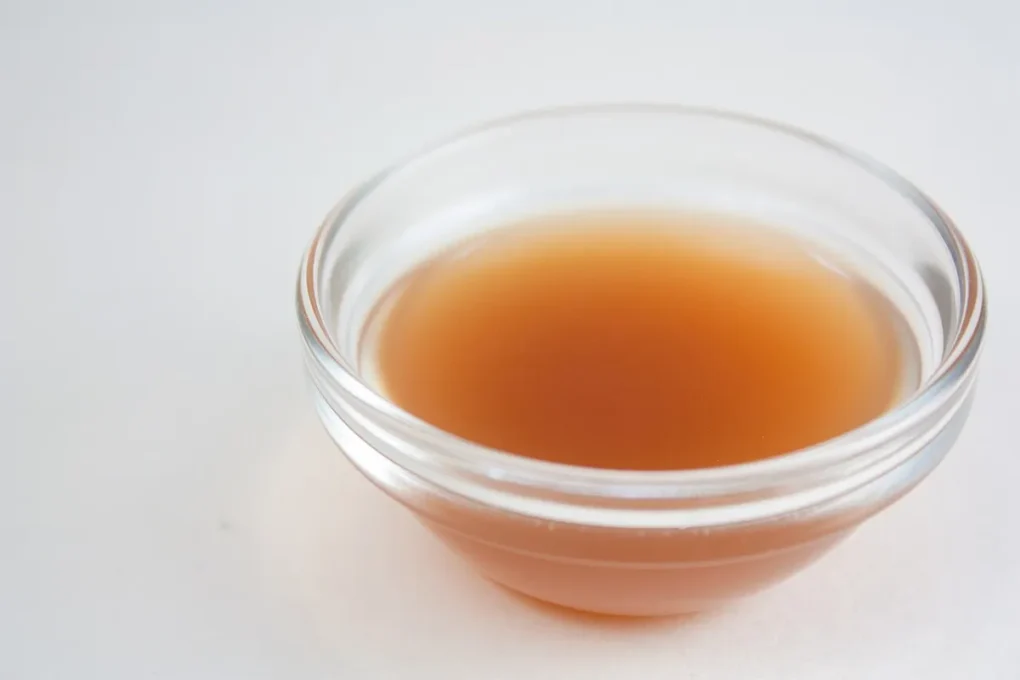
Apple cider vinegar and blood sugar is one of the most searched kitchen remedy topics online. Unlike many trends, it has some research behind it. The effect is small, though, and there are a few important safety rules.
Health note: This article is for general education only. It is not medical advice and it does not replace care from your doctor. Foods and supplements are not a substitute for prescribed treatment. Talk to a licensed health professional before changing your diet, medicines or supplements, especially if you are pregnant, take prescription drugs or have a chronic condition.
- Vinegar with a carb-rich meal may lower the blood sugar and insulin rise after eating.
- Studies are small and short, so treat it as a helper, not a treatment.
- Always dilute it. Straight vinegar can hurt your teeth and throat.
Apple cider vinegar and blood sugar: what the research shows
Mixed evidence
A 2017 systematic review and meta-analysis of clinical trials found that vinegar taken with a meal reduced the rise in blood glucose and insulin after eating compared with a control. The researchers concluded vinegar could be considered an “adjunctive tool,” meaning an add-on, for glycemic control. Most studies used about 1 to 2 tablespoons with a meal.
Scientists think acetic acid, the main compound in vinegar, may slow how fast the stomach empties and help muscles take up glucose. Any type of vinegar contains acetic acid, so apple cider vinegar is not unique. It is simply popular and mild in taste.
What vinegar will not do
- It does not “melt” belly fat or cure diabetes.
- It does not cancel out a high-sugar meal.
- Gummies and pills have much less research behind them than liquid vinegar with food.
How to try it safely
- Mix 1 tablespoon in a large glass of water (8 ounces or more) and drink it with a meal that contains starch.
- Or use it in a salad dressing with olive oil, which is the easiest way.
- Drink through a straw and rinse your mouth with water afterward to protect tooth enamel.
- Start with a small amount to see how your stomach reacts.
Who should skip it or ask first
- People with acid reflux, ulcers or gastroparesis (slow stomach emptying), which is common in long-term diabetes.
- People taking insulin, diuretics or digoxin, since large amounts of vinegar may lower potassium.
- Anyone with kidney disease.
Better bets for blood sugar
Stronger evidence
The habits with the strongest evidence are the plate method, regular activity and a walk after meals. Our guide to foods and spices for healthy blood sugar shows how to put them together, with vinegar as an optional extra.
Your next step
This week, make a simple vinaigrette (3 parts olive oil, 1 part apple cider vinegar, a pinch of salt and mustard) and use it on a salad eaten before your main dish at dinner.
The bottom line
The bottom line on apple cider vinegar and blood sugar: it is a small, optional helper, not a treatment. If you enjoy it, use it diluted with meals. Research on apple cider vinegar and blood sugar supports the plate method and daily walks as the foundation, with vinegar as an extra.
Frequently asked questions
When is the best time to take apple cider vinegar for blood sugar?
Studies usually gave vinegar with or just before a meal that contained starch. It had little effect when taken alone on an empty stomach.
Do apple cider vinegar gummies work for blood sugar?
Gummies contain less acetic acid and often added sugar. There is little research on them, so liquid vinegar in food is the better option.
Can apple cider vinegar replace diabetes medicine?
No. Apple cider vinegar and blood sugar studies show a small effect after meals only. Keep taking your prescribed treatment.
Related articles
Sources
- Shishehbor F, et al. Vinegar consumption can attenuate postprandial glucose and insulin responses: a systematic review and meta-analysis (PubMed)
- NIDDK: Diabetes Diet, Eating, and Physical Activity
About the author: Reginaldo Encarnacao is an independent health writer who researches public sources such as the National Institutes of Health (NIH). He is not a doctor, pharmacist or dietitian.
Medical disclaimer: The information on this page is for educational purposes only and is not intended to diagnose, treat, cure or prevent any disease. Statements about dietary supplements have not been evaluated by the Food and Drug Administration. Individual results vary. See our full disclaimer.