
How to Get the Most from Broccoli, Kale and Other Cruciferous Vegetables
Cruciferous vegetables such as broccoli, kale, cabbage, cauliflower and Brussels sprouts are among the most studied foods in cancer research. Here is what we know, and a few kitchen tricks that help you get the most from them.
Health note: This article is for general education only. It is not medical advice and it does not replace care from your doctor. Foods and supplements are not a substitute for prescribed treatment. Talk to a licensed health professional before changing your diet, medicines or supplements, especially if you are pregnant, take prescription drugs or have a chronic condition.
Keep perspective: no vegetable prevents or treats cancer on its own. Not smoking, limiting alcohol, staying active, keeping a healthy weight and getting recommended screenings matter most.
- Cruciferous vegetables contain glucosinolates, which turn into active compounds like sulforaphane when chopped or chewed.
- Lab studies are promising; human studies are mixed.
- Chop, wait a few minutes, and cook lightly to keep more of the active compounds.
Cruciferous vegetables at a glance
- Broccoli and broccoli sprouts
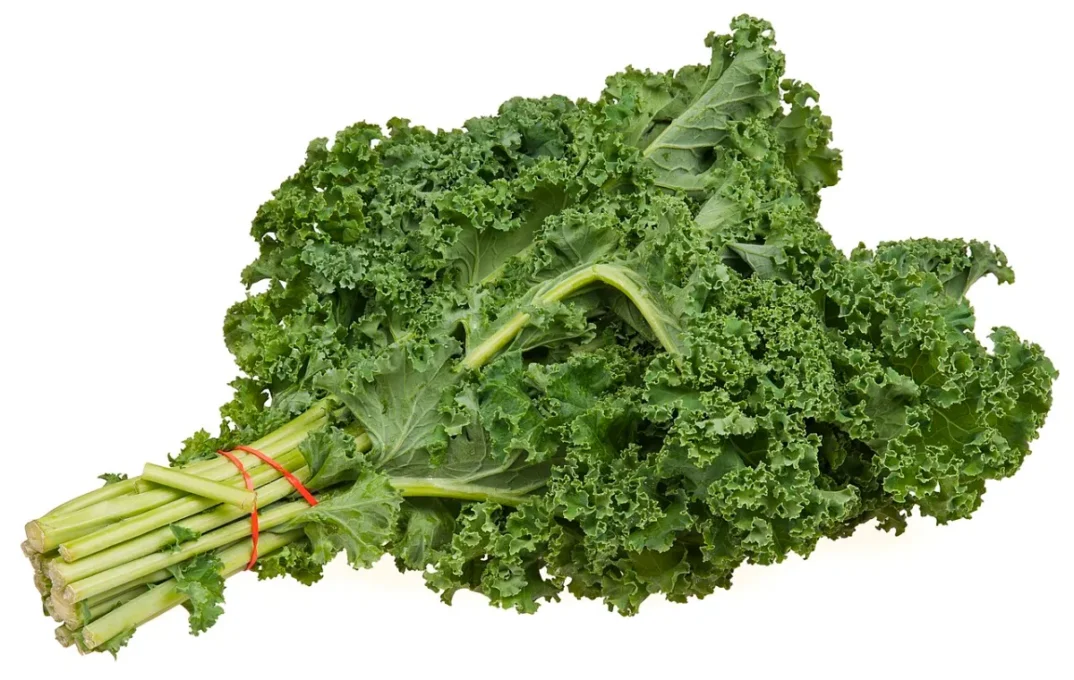
- Kale, collard greens and bok choy
- Cabbage (green, red and napa)
- Cauliflower and Brussels sprouts
- Arugula, watercress, radishes and turnips
What the research says
Mixed evidence
According to the National Cancer Institute, glucosinolates break down into compounds such as indole-3-carbinol and sulforaphane. In cell and animal studies, these compounds help protect cells from DNA damage, help the body inactivate carcinogens and can trigger the death of damaged cells. In people, results are inconsistent. Some studies link higher intake to lower risk of certain cancers, while most large cohort studies found little or no association. Genetics may explain part of the difference.
What is certain: these vegetables are low in calories and rich in fiber, vitamin C, vitamin K and folate, all part of the eating pattern linked to better long-term health.
The “chop and wait” trick
Glucosinolates need an enzyme called myrosinase to become active. That enzyme is released when the vegetable is cut or chewed, and it is damaged by heat. A simple habit helps:
- Chop broccoli, cabbage or kale and let it sit for about 5 to 10 minutes before cooking.
- Steam or sauté lightly for a few minutes instead of boiling for a long time.
- Add a raw cruciferous food, such as arugula or radishes, to cooked dishes.
Easy ways to eat more
- Kale salad massaged with olive oil and lemon.
- Roasted Brussels sprouts or cauliflower.
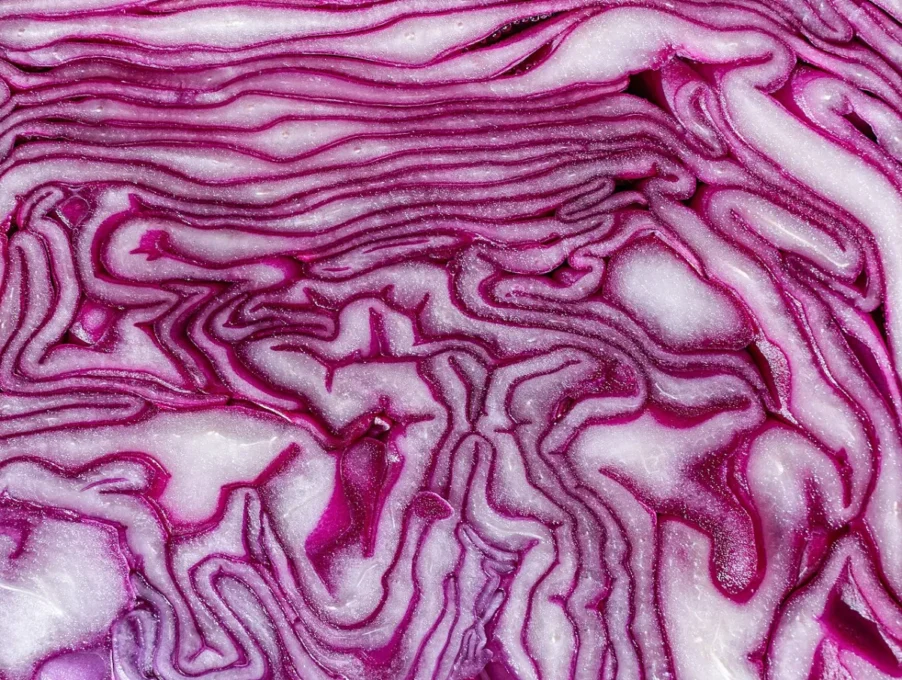
- Coleslaw made with red cabbage and a vinegar dressing.
- Broccoli added to omelets, pasta or stir-fries.
- Bok choy in soups.
A few cautions
- These vegetables can cause gas. Increase them gradually and drink water.
- If you take warfarin, keep your intake of vitamin K-rich greens steady and talk to your doctor before big changes.
- Normal food amounts do not harm the thyroid in people with adequate iodine. Concentrated supplements are a different matter; ask your doctor first.
Learn more
For the full picture of food, lifestyle and cancer risk, read our guide to eating to lower cancer risk.
Your next step
Add one cruciferous vegetable to your grocery list for each day this week, and try the chop-and-wait trick the next time you cook broccoli.
Frequently asked questions
How many servings of cruciferous vegetables should I eat?
There is no specific target, but including cruciferous vegetables several times a week is an easy way to meet the recommended 2 to 3 cups of vegetables a day.
Are frozen cruciferous vegetables healthy?
Yes. Frozen broccoli and cauliflower are convenient and nutritious. Blanching reduces some enzymes, so adding a raw one like arugula helps.
Do broccoli sprouts have more sulforaphane?
Broccoli sprouts contain much more of the precursor to sulforaphane than mature broccoli. They are a tasty addition to salads and sandwiches.
Related articles
Sources
- National Cancer Institute: Cruciferous Vegetables and Cancer Prevention
- National Cancer Institute: Cancer Prevention Overview (PDQ)
About the author: Reginaldo Encarnacao is an independent health writer who researches public sources such as the National Institutes of Health (NIH). He is not a doctor, pharmacist or dietitian.
Medical disclaimer: The information on this page is for educational purposes only and is not intended to diagnose, treat, cure or prevent any disease. Statements about dietary supplements have not been evaluated by the Food and Drug Administration. Individual results vary. See our full disclaimer.