
Pumpkin Seeds and Prostate Health: What the GRANU Study Found
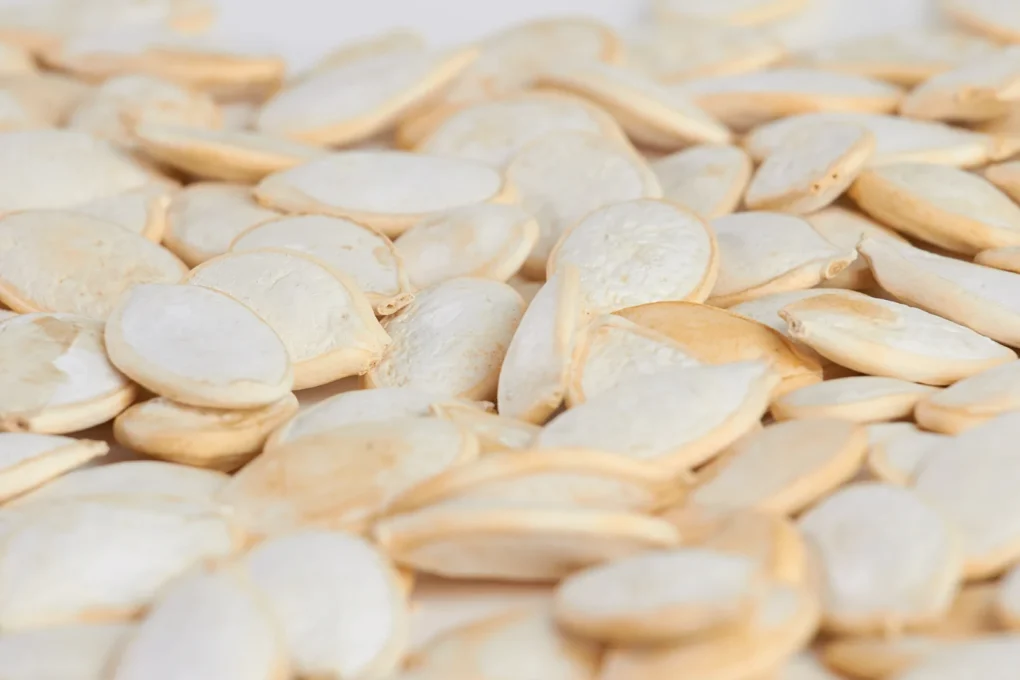
Pumpkin seeds and prostate health are linked in traditional European herbal medicine, and they are one of the few foods tested in a large prostate trial. Pumpkin seeds, also called pepitas, are rich in zinc, magnesium and healthy fats. Here is what the research really found.
Health note: This article is for general education only. It is not medical advice and it does not replace care from your doctor. Foods and supplements are not a substitute for prescribed treatment. Talk to a licensed health professional before changing your diet, medicines or supplements, especially if you are pregnant, take prescription drugs or have a chronic condition.
- In the 1-year GRANU study, 58.5% of men eating pumpkin seeds improved versus 47.3% on placebo.
- Pumpkin seed extract capsules did not beat placebo in the same study.
- One ounce of pumpkin seeds provides about 156 mg of magnesium.
Pumpkin seeds and prostate health: the GRANU study
Mixed evidence
The GRANU study followed 1,431 men aged 50 to 80 with urinary symptoms from benign prostatic hyperplasia (BPH) for 12 months. Men took 5 grams of pumpkin seed twice a day, a pumpkin seed extract, or placebo. Response meant a drop of at least 5 points on the International Prostate Symptom Score. About 58.5% of men in the pumpkin seed group responded, compared with 47.3% on placebo. The extract did not differ from placebo. The authors said the results need confirmation.
Nutrition highlights
- Magnesium: about 156 mg per ounce, according to the NIH.
- Zinc: a good plant source; the prostate contains high levels of zinc.
- Healthy fats and protein: about 7 grams of protein per ounce.
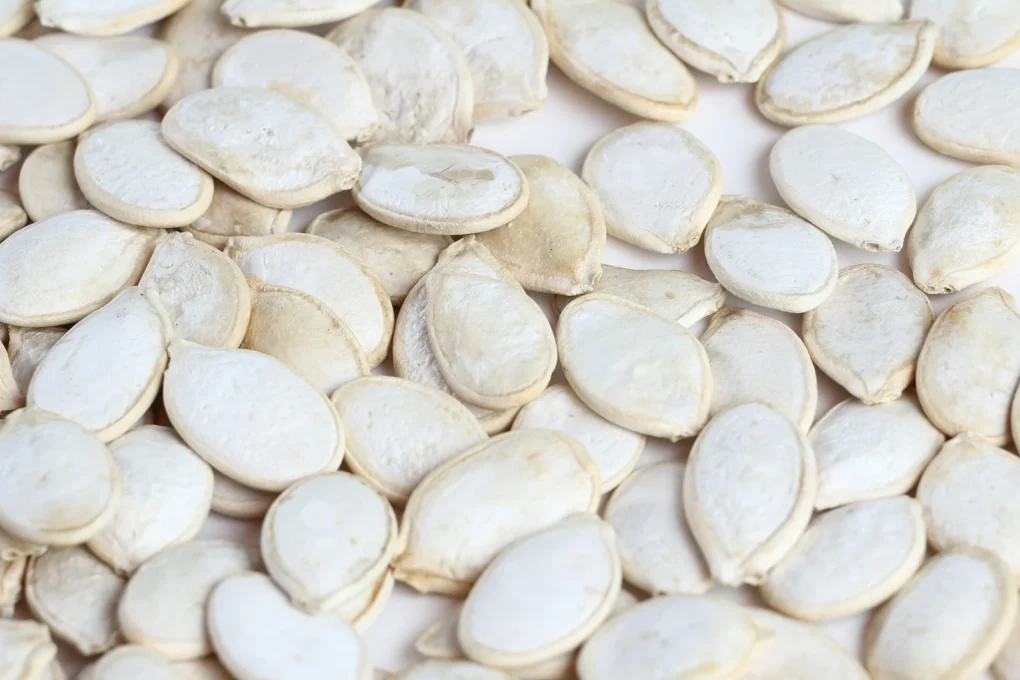
Easy ways to eat pumpkin seeds
- Sprinkle on salads, soups and oatmeal.
- Roast with a pinch of salt and paprika for a snack.
- Blend into pesto instead of pine nuts.
- Mix into homemade trail mix with walnuts and dried berries.
Choose unsalted or lightly salted seeds, and keep portions to about an ounce, since seeds are calorie-dense.
Daily habits that help urinary symptoms
The NIDDK recommends drinking less before bed, limiting alcohol and caffeine, staying active and reviewing medicines like decongestants with your doctor.
The bottom line
The bottom line on pumpkin seeds and prostate health: they are a nutritious snack with early evidence for urinary symptoms, but not a replacement for medical care. Enjoy pumpkin seeds and prostate health habits like limiting evening fluids together, and talk to your doctor about screening.
Frequently asked questions
How many pumpkin seeds should I eat a day?
The GRANU study used 10 grams a day (5 grams twice daily), roughly 2 tablespoons. An ounce a day is a common snack portion.
Is pumpkin seed oil better than whole seeds?
Some small studies used oil, but the large GRANU trial found benefits with whole seeds and not with an extract.
Can pumpkin seeds shrink the prostate?
There is no evidence that they shrink the prostate. They may help symptoms in some men.
Your next step
Swap one daily snack for an ounce of pumpkin seeds this week, and keep a short log of nighttime bathroom trips to discuss at your next checkup.
Related articles
Sources
- Vahlensieck W, et al. Effects of pumpkin seed in men with lower urinary tract symptoms due to BPH: the GRANU study (PubMed)
- NIH Office of Dietary Supplements: Magnesium
- NIDDK: Prostate Enlargement (Benign Prostatic Hyperplasia)
About the author: Reginaldo Encarnacao is an independent health writer who researches public sources such as the National Institutes of Health (NIH). He is not a doctor, pharmacist or dietitian.
Medical disclaimer: The information on this page is for educational purposes only and is not intended to diagnose, treat, cure or prevent any disease. Statements about dietary supplements have not been evaluated by the Food and Drug Administration. Individual results vary. See our full disclaimer.